Affordable Weight Loss Surgery Options in America is a crucial topic for those seeking effective solutions to obesity. With the increasing prevalence of weight-related health issues, understanding the various surgical options available can empower individuals to make informed decisions. This discussion will explore the types of surgeries offered, the criteria for candidates, and the overall effectiveness of these methods.
As we delve deeper, we will also cover the financial aspects, including average costs, factors influencing pricing, and various financing options. Additionally, we will look into states where affordable choices exist, clinics that specialize in these procedures, and how to access financial assistance.
Understanding Weight Loss Surgery: Affordable Weight Loss Surgery Options In America
Weight loss surgery, also known as bariatric surgery, encompasses a range of surgical procedures aimed at assisting individuals struggling with obesity. These surgeries facilitate significant weight loss by altering the digestive system’s function, and they can be a viable option for those who have not achieved sustainable weight loss through diet and exercise alone.
Types of Weight Loss Surgeries Available in America
There are several types of weight loss surgeries practiced across the United States, primarily including:
- Gastric Bypass: This procedure involves creating a small stomach pouch and rerouting the small intestine, which helps limit food intake and nutrient absorption.
- Gastric Sleeve: In this method, a large portion of the stomach is removed, leaving a tube-like structure, which restricts food intake.
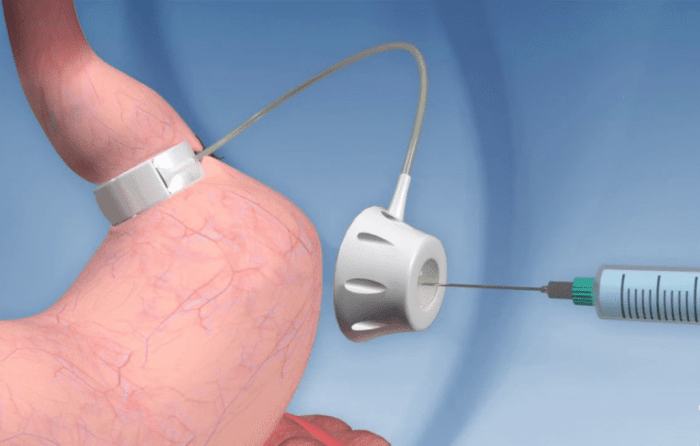
- Adjustable Gastric Band: This involves placing a band around the upper part of the stomach to create a smaller stomach pouch, adjustable over time.
- Biliopancreatic Diversion with Duodenal Switch (BPD/DS): A more complex surgery that combines gastric sleeve surgery with an intestinal bypass to reduce absorption.
Medical Criteria for Candidates
Candidates for weight loss surgery typically need to meet specific medical criteria, which may include:
- A body mass index (BMI) of 40 or higher, or a BMI of 35 or higher with obesity-related health conditions.
- Previous unsuccessful attempts at weight loss through diet and exercise.
- A commitment to a healthy diet and lifestyle changes post-surgery.
Effectiveness of Different Weight Loss Surgery Methods
Various studies showcase the effectiveness of these surgeries. For instance, gastric bypass patients often experience an average weight loss of 60-80% of excess weight within two years. Additionally, many patients report improvements in obesity-related conditions such as diabetes and hypertension post-surgery.
Cost Overview of Weight Loss Surgery
Understanding the financial aspects of weight loss surgery is crucial for potential candidates. The costs can vary significantly based on the type of surgery, geographical location, and hospital fees.
Average Costs of Different Types of Surgeries
The average costs for weight loss surgeries in the United States are as follows:
| Type of Surgery | Average Cost |
|---|---|
| Gastric Bypass | $20,000 – $30,000 |
| Gastric Sleeve | $15,000 – $25,000 |
| Adjustable Gastric Band | $10,000 – $15,000 |
| Biliopancreatic Diversion | $20,000 – $35,000 |
Factors Influencing Surgery Costs
Several factors can influence the cost of weight loss surgeries:
- Geographical location: Costs vary by state and city.
- Hospital fees: Different hospitals have varying pricing structures.
- Surgeon expertise: Highly experienced surgeons may charge more for their services.
Financing Options and Payment Plans, Affordable Weight Loss Surgery Options in America
Many patients explore financing options to manage the costs associated with weight loss surgery. Options may include:
- Medical loans specifically for surgery.
- Payment plans offered by clinics or hospitals.
- Credit cards with promotional financing options.
Affordable Weight Loss Surgery Options
Finding affordable weight loss surgery options can significantly ease the financial burden for candidates.
Low-Cost Weight Loss Surgery Options by State
Several states offer lower-cost weight loss surgery options. For example:
- Texas: Known for competitive pricing, many clinics offer gastric sleeve surgery for under $15,000.
- Florida: Lower-cost options available, particularly in rural areas.
- California: While costs can be high in major cities, certain clinics offer discounted rates.
Clinics Offering Affordable Weight Loss Surgeries
Here are some clinics across the United States known for their affordable weight loss surgeries:
- WeightLossMD: Specializes in gastric sleeve and bypass with competitive pricing.
- The Bariatric Surgery Center: Offers various surgical options with financing assistance.
- NewMe Health: Known for providing budget-friendly packages for weight loss surgeries.
Finding Financial Assistance or Grants
Patients can seek financial assistance or grants for weight loss surgery through various channels, including:
- Non-profit organizations focused on obesity treatment.
- Community health programs offering grants for low-income patients.
- Patient assistance programs directly from hospitals.
Insurance Coverage for Weight Loss Surgery
Insurance coverage plays a crucial role in making weight loss surgery affordable for many patients.
Types of Insurance Plans Covering Weight Loss Surgery
Typically, the types of insurance plans that cover weight loss surgery include:
- Employer-sponsored health plans.
- Medicare, under specific eligibility criteria.
- Medicaid, which may cover surgery for eligible low-income individuals.
Process for Pre-Approval from Insurance Companies
The process of obtaining pre-approval for weight loss surgery generally involves:
- Consultation with a qualified bariatric surgeon.
- Submitting medical documentation proving obesity-related health issues.
- Completing a medically supervised weight loss program, if required by the insurer.
Differences in Coverage between Public and Private Insurance
There can be substantial differences in coverage between public and private insurance providers. Public plans like Medicare often have specific eligibility criteria, while private insurers may offer more comprehensive coverage options but vary widely in terms of out-of-pocket costs.
Preparatory Steps Before Surgery
Preparing for weight loss surgery is a critical step in ensuring a successful outcome.
Pre-Operative Assessments and Evaluations
Before surgery, patients typically undergo several assessments, including:
- Complete physical examination by a primary care physician.
- Psychological evaluations to assess readiness for surgery.
- Dietary consultations with a nutritionist.
Timeline for Preparing for Weight Loss Surgery
The preparation timeline may include the following steps:
- Initial consultation: 2-3 months before surgery.
- Medically supervised diet: 1-2 months before surgery.
- Final evaluations: 1-2 weeks prior to the procedure.
Importance of Psychological Evaluations
Psychological evaluations are essential to ensure candidates are mentally and emotionally prepared for the lifestyle changes required post-surgery. This assessment helps identify any underlying issues that may impact recovery and success.
Post-Operative Care and Recovery
Understanding the post-operative care process is vital for a smooth recovery after weight loss surgery.
Typical Recovery Process
After surgery, patients can expect a recovery process that typically includes:
- A hospital stay of 1-3 days, depending on the procedure.
- A gradual return to normal activities over the first few weeks.
- Regular follow-ups with the surgical team.
Diet and Exercise Guidelines During Recovery
Post-surgery, patients must adhere to specific diet and exercise guidelines, such as:
- Beginning with clear liquids and gradually introducing pureed foods.
- Incorporating physical activity as advised by the surgeon, typically starting with light walking.
- Avoiding high-calorie and high-sugar foods to ensure successful weight loss.
Potential Complications and Their Management
While complications are rare, they can occur. Common post-operative complications include:
- Infection: Managed with antibiotics and wound care.
- Dumping syndrome: Addressed through dietary adjustments.
- Nutritional deficiencies: Managed with supplements and regular monitoring.
Long-Term Success and Lifestyle Changes
Long-term success after weight loss surgery heavily depends on lifestyle changes.
Importance of Lifestyle Changes for Maintaining Weight Loss
Sustaining weight loss requires significant lifestyle changes, including:
- Adopting a balanced diet tailored to individual needs.
- Regular physical activity, aiming for at least 150 minutes of moderate exercise weekly.
- Continued participation in support groups to foster motivation and accountability.
Success Stories of Individuals
Many individuals have achieved remarkable success with affordable weight loss surgery. For example, a patient who underwent gastric sleeve surgery lost over 100 pounds within a year and successfully managed their diabetes.
Support Groups and Resources for Post-Operative Patients
After surgery, patients can access various support groups and resources, including:
- Local support meetings organized by weight loss surgery centers.
- Online forums and social media groups focused on bariatric surgery.
- Educational resources from hospitals about healthy living post-surgery.
Outcome Summary
In conclusion, Affordable Weight Loss Surgery Options in America offers hope for many struggling with obesity. By understanding the available options, associated costs, and necessary preparations, individuals can navigate this journey with confidence. The right support, both pre and post-surgery, can lead to successful long-term weight management and improved health outcomes.
Leave a Reply