Tag: affordable healthcare

  • How to Find Affordable Healthcare in USA Made Simple

    How to Find Affordable Healthcare in USA Made Simple

    How to Find Affordable Healthcare in USA is a topic that resonates with many individuals and families navigating the complex healthcare landscape. With rising costs and varying options, understanding what affordable healthcare truly means is essential. This guide aims to shed light on the factors influencing healthcare expenses, the types of plans available, and effective strategies to secure quality care without breaking the bank.

    In the United States, the pursuit of affordable healthcare involves exploring both public and private plans, understanding government programs, and utilizing community resources. As we delve deeper, you’ll discover methods for comparing insurance options, cost-saving strategies, and the growing role of telehealth in accessing care. No matter your situation, this comprehensive guide will equip you with the knowledge to make informed healthcare decisions.

    Understanding the Dental Implants Cost in USA: Full Guide (2026) is crucial for anyone considering this dental solution. With various factors influencing the price, it’s essential to be informed about what to expect and how to budget effectively for your dental needs. This guide provides comprehensive insights to help you make an educated decision.

    Understanding Affordable Healthcare: How To Find Affordable Healthcare In USA

    Affordable healthcare in the USA refers to the ability of individuals and families to access necessary medical services without incurring financial hardship. This concept encompasses a variety of factors, including insurance premiums, out-of-pocket costs, and the availability of services. The rising costs of healthcare have become a significant concern, making it essential to understand the dynamics influencing these expenses.Several factors influence healthcare costs, including provider pricing, administrative expenses, and the overall healthcare system’s structure.

    High costs can often deter individuals from seeking necessary treatment, leading to worsened health outcomes. Accessible and affordable healthcare is crucial for maintaining public health, supporting economic stability, and ensuring that individuals do not face financial ruin due to medical bills.

    Types of Healthcare Plans

    In the USA, there are various types of healthcare plans that cater to different needs and situations. Understanding these options can help individuals make informed choices about their healthcare coverage.

    • Employer-sponsored Plans: Many individuals receive health insurance through their employers, which may offer various plan options including HMOs, PPOs, and exclusive provider organizations (EPOs).
    • Individual Plans: For those not covered by employer insurance, individual plans can be purchased through the Health Insurance Marketplace or directly from insurers.
    • Public Programs: Government programs such as Medicaid and Medicare provide coverage for specific populations, including low-income individuals and the elderly.

    When comparing public and private healthcare options, it is important to consider factors such as cost, coverage, and network restrictions. Public programs often have lower costs but may have more eligibility requirements, while private options may offer more flexibility and choices but at a higher price point.

    Government Programs and Assistance, How to Find Affordable Healthcare in USA

    The government offers several key programs aimed at providing affordable healthcare to Americans. Medicaid and Medicare are two of the most significant initiatives.

    • Medicaid: This program provides health coverage for low-income individuals and families. Eligibility criteria vary by state but generally include income levels, family size, and disability status.
    • Medicare: Primarily designed for individuals aged 65 and older, Medicare also covers younger people with disabilities. It includes several parts that cover hospital care, medical services, and prescription drugs.

    To apply for these government assistance programs, individuals can visit the official websites or local offices to begin the enrollment process. Understanding eligibility requirements is key to accessing these vital resources.

    Community Resources

    Community organizations play a pivotal role in offering healthcare services at reduced costs. These resources become essential for those who may not qualify for government assistance or have limited income.

    • Community Health Clinics: These clinics provide a range of services, including preventive care, dental services, and mental health support, often on a sliding fee scale based on income.
    • Non-Profit Organizations: Many non-profit groups focus on providing healthcare services to underserved populations, offering free or low-cost treatments.

    Accessing these resources typically involves contacting the organizations directly or visiting their websites for more information on services offered and eligibility requirements.

    For those seeking mental health support, identifying the Top Mental Health Treatment Centers in America can be a game-changer. These centers offer specialized care and a range of therapies tailored to individual needs, helping patients find the right path to recovery and improved well-being.

    Shopping for Health Insurance

    Finding the right health insurance plan requires a systematic approach. Here is a step-by-step guide to comparing options effectively.

    1. Assess Your Needs: Determine your healthcare needs based on your medical history and expected future care.
    2. Research Plans: Investigate different plans available in your area, comparing premiums, deductibles, and coverage options.
    3. Utilize Comparison Tools: Employ online tools that allow side-by-side comparisons of various health insurance policies.
    4. Check Provider Networks: Ensure your preferred healthcare providers and facilities are in-network to avoid extra costs.

    Understanding the fine print in health insurance policies is crucial. This includes being aware of coverage limits, exclusions, and the process for filing claims.

    Cost-Saving Strategies

    Healthcare expenses can add up, but there are several strategies to mitigate these costs effectively.

    • Health Savings Accounts (HSAs): These accounts allow individuals to save pre-tax dollars for medical expenses, reducing overall tax liability.
    • Flexible Spending Accounts (FSAs): Similar to HSAs, FSAs enable employees to set aside funds for medical costs that can be used throughout the year.
    • Negotiating Bills: Many healthcare providers may be willing to negotiate medical bills or offer payment plans for those facing financial difficulties.

    These methods can help individuals manage their healthcare expenses while still receiving necessary care.

    Telehealth and Online Services

    The rise of telehealth has transformed how individuals access medical care, providing a more affordable alternative to traditional in-person visits.

    • Virtual Consultations: Many healthcare providers now offer virtual visits, which often cost less than in-office appointments.
    • Access to Specialists: Telehealth allows patients to consult specialists without the need to travel, reducing costs associated with transportation.
    • Cost Comparisons: Services available online are often more affordable than traditional care, especially for routine check-ups and minor health issues.

    The convenience and accessibility of telehealth services can significantly lower healthcare costs.

    Preventive Care and Wellness

    Investing in preventive care can lead to substantial long-term savings in healthcare costs. Regular check-ups and screenings help catch health issues early.

    • Affordable Preventive Services: Many insurance plans cover preventive services at no additional cost, encouraging regular health assessments.
    • Lifestyle Changes: Simple changes, such as maintaining a healthy diet and engaging in regular exercise, can help prevent chronic diseases and reduce healthcare expenses.

    Encouraging preventive measures is vital for improving overall health and minimizing long-term medical costs.

    Impact of the Affordable Care Act

    The Affordable Care Act (ACA) has significantly reshaped the healthcare landscape in the USA, enhancing affordability and access.

    • Insurance Mandates: The ACA introduced mandates that require individuals to have health insurance, thus increasing the number of insured Americans.
    • Subsidies and Tax Credits: The Act provides financial assistance for low- and middle-income families to help them afford coverage.
    • Consumer Protections: The ACA prohibits insurers from denying coverage based on pre-existing conditions, ensuring broader access to necessary care.

    These provisions have ongoing implications for consumers and healthcare providers alike, shaping the future of affordable healthcare in America.

    Resources for Further Information

    How to Find Affordable Healthcare in USA

    Several reputable websites and organizations offer valuable information on affordable healthcare options.

    If you’re looking for ways to improve your health, exploring Affordable Weight Loss Surgery Options in America could be a beneficial step. These options not only offer effective weight loss solutions but also come at varying price points to accommodate different budgets. Understanding your choices is key to achieving your health goals.

    • HealthCare.gov: The official government website for health insurance marketplace information.
    • Centers for Medicare & Medicaid Services (CMS): Provides detailed information about Medicare and Medicaid programs.
    • Non-Profit Organizations: Resources like the Kaiser Family Foundation offer research and insights into healthcare affordability.

    Verifying the credibility of information sources is essential. Look for government sites, established non-profits, and trusted healthcare organizations to ensure the accuracy of the information you gather.

    Ending Remarks

    In summary, navigating the path to affordable healthcare in the USA doesn’t have to be overwhelming. With a wealth of information available on government programs, community resources, and various insurance options, you have the tools to find the care you need at a price you can afford. By prioritizing preventive care and employing smart cost-saving strategies, you can significantly reduce your healthcare expenses while ensuring your health and well-being are maintained.
  • Affordable Weight Loss Surgery Options in America

    Affordable Weight Loss Surgery Options in America

    Affordable Weight Loss Surgery Options in America is a crucial topic for those seeking effective solutions to obesity. With the increasing prevalence of weight-related health issues, understanding the various surgical options available can empower individuals to make informed decisions. This discussion will explore the types of surgeries offered, the criteria for candidates, and the overall effectiveness of these methods.

    As we delve deeper, we will also cover the financial aspects, including average costs, factors influencing pricing, and various financing options. Additionally, we will look into states where affordable choices exist, clinics that specialize in these procedures, and how to access financial assistance.

    Understanding Weight Loss Surgery: Affordable Weight Loss Surgery Options In America

    Weight loss surgery, also known as bariatric surgery, encompasses a range of surgical procedures aimed at assisting individuals struggling with obesity. These surgeries facilitate significant weight loss by altering the digestive system’s function, and they can be a viable option for those who have not achieved sustainable weight loss through diet and exercise alone.

    Types of Weight Loss Surgeries Available in America

    There are several types of weight loss surgeries practiced across the United States, primarily including:

    • Gastric Bypass: This procedure involves creating a small stomach pouch and rerouting the small intestine, which helps limit food intake and nutrient absorption.
    • Gastric Sleeve: In this method, a large portion of the stomach is removed, leaving a tube-like structure, which restricts food intake.
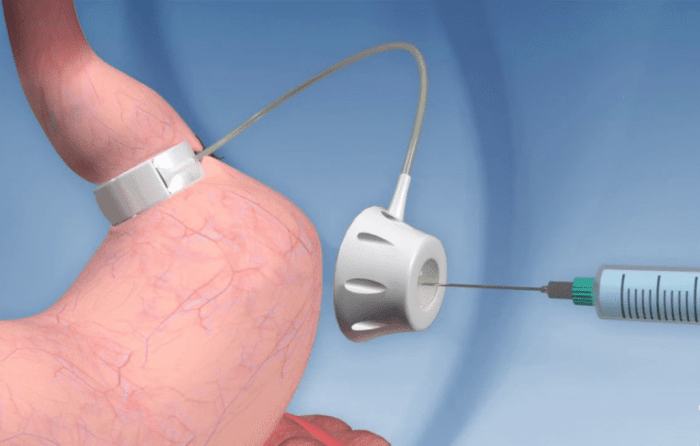
    • Adjustable Gastric Band: This involves placing a band around the upper part of the stomach to create a smaller stomach pouch, adjustable over time.
    • Biliopancreatic Diversion with Duodenal Switch (BPD/DS): A more complex surgery that combines gastric sleeve surgery with an intestinal bypass to reduce absorption.

    Medical Criteria for Candidates

    Candidates for weight loss surgery typically need to meet specific medical criteria, which may include:

    • A body mass index (BMI) of 40 or higher, or a BMI of 35 or higher with obesity-related health conditions.
    • Previous unsuccessful attempts at weight loss through diet and exercise.
    • A commitment to a healthy diet and lifestyle changes post-surgery.

    Effectiveness of Different Weight Loss Surgery Methods

    Various studies showcase the effectiveness of these surgeries. For instance, gastric bypass patients often experience an average weight loss of 60-80% of excess weight within two years. Additionally, many patients report improvements in obesity-related conditions such as diabetes and hypertension post-surgery.

    Cost Overview of Weight Loss Surgery

    Understanding the financial aspects of weight loss surgery is crucial for potential candidates. The costs can vary significantly based on the type of surgery, geographical location, and hospital fees.

    Average Costs of Different Types of Surgeries

    The average costs for weight loss surgeries in the United States are as follows:

    Type of Surgery Average Cost
    Gastric Bypass $20,000 – $30,000
    Gastric Sleeve $15,000 – $25,000
    Adjustable Gastric Band $10,000 – $15,000
    Biliopancreatic Diversion $20,000 – $35,000

    Factors Influencing Surgery Costs

    Several factors can influence the cost of weight loss surgeries:

    • Geographical location: Costs vary by state and city.
    • Hospital fees: Different hospitals have varying pricing structures.
    • Surgeon expertise: Highly experienced surgeons may charge more for their services.

    Financing Options and Payment Plans, Affordable Weight Loss Surgery Options in America

    Many patients explore financing options to manage the costs associated with weight loss surgery. Options may include:

    • Medical loans specifically for surgery.
    • Payment plans offered by clinics or hospitals.
    • Credit cards with promotional financing options.

    Affordable Weight Loss Surgery Options

    Finding affordable weight loss surgery options can significantly ease the financial burden for candidates.

    Low-Cost Weight Loss Surgery Options by State

    Several states offer lower-cost weight loss surgery options. For example:

    • Texas: Known for competitive pricing, many clinics offer gastric sleeve surgery for under $15,000.
    • Florida: Lower-cost options available, particularly in rural areas.
    • California: While costs can be high in major cities, certain clinics offer discounted rates.

    Clinics Offering Affordable Weight Loss Surgeries

    Here are some clinics across the United States known for their affordable weight loss surgeries:

    • WeightLossMD: Specializes in gastric sleeve and bypass with competitive pricing.
    • The Bariatric Surgery Center: Offers various surgical options with financing assistance.
    • NewMe Health: Known for providing budget-friendly packages for weight loss surgeries.

    Finding Financial Assistance or Grants

    Patients can seek financial assistance or grants for weight loss surgery through various channels, including:

    • Non-profit organizations focused on obesity treatment.
    • Community health programs offering grants for low-income patients.
    • Patient assistance programs directly from hospitals.

    Insurance Coverage for Weight Loss Surgery

    Insurance coverage plays a crucial role in making weight loss surgery affordable for many patients.

    Types of Insurance Plans Covering Weight Loss Surgery

    Typically, the types of insurance plans that cover weight loss surgery include:

    • Employer-sponsored health plans.
    • Medicare, under specific eligibility criteria.
    • Medicaid, which may cover surgery for eligible low-income individuals.

    Process for Pre-Approval from Insurance Companies

    The process of obtaining pre-approval for weight loss surgery generally involves:

    • Consultation with a qualified bariatric surgeon.
    • Submitting medical documentation proving obesity-related health issues.
    • Completing a medically supervised weight loss program, if required by the insurer.

    Differences in Coverage between Public and Private Insurance

    There can be substantial differences in coverage between public and private insurance providers. Public plans like Medicare often have specific eligibility criteria, while private insurers may offer more comprehensive coverage options but vary widely in terms of out-of-pocket costs.

    Preparatory Steps Before Surgery

    Preparing for weight loss surgery is a critical step in ensuring a successful outcome.

    Pre-Operative Assessments and Evaluations

    Before surgery, patients typically undergo several assessments, including:

    • Complete physical examination by a primary care physician.
    • Psychological evaluations to assess readiness for surgery.
    • Dietary consultations with a nutritionist.

    Timeline for Preparing for Weight Loss Surgery

    The preparation timeline may include the following steps:

    • Initial consultation: 2-3 months before surgery.
    • Medically supervised diet: 1-2 months before surgery.
    • Final evaluations: 1-2 weeks prior to the procedure.

    Importance of Psychological Evaluations

    Psychological evaluations are essential to ensure candidates are mentally and emotionally prepared for the lifestyle changes required post-surgery. This assessment helps identify any underlying issues that may impact recovery and success.

    Post-Operative Care and Recovery

    Understanding the post-operative care process is vital for a smooth recovery after weight loss surgery.

    Typical Recovery Process

    After surgery, patients can expect a recovery process that typically includes:

    • A hospital stay of 1-3 days, depending on the procedure.
    • A gradual return to normal activities over the first few weeks.
    • Regular follow-ups with the surgical team.

    Diet and Exercise Guidelines During Recovery

    Post-surgery, patients must adhere to specific diet and exercise guidelines, such as:

    • Beginning with clear liquids and gradually introducing pureed foods.
    • Incorporating physical activity as advised by the surgeon, typically starting with light walking.
    • Avoiding high-calorie and high-sugar foods to ensure successful weight loss.

    Potential Complications and Their Management

    While complications are rare, they can occur. Common post-operative complications include:

    • Infection: Managed with antibiotics and wound care.
    • Dumping syndrome: Addressed through dietary adjustments.
    • Nutritional deficiencies: Managed with supplements and regular monitoring.

    Long-Term Success and Lifestyle Changes

    Long-term success after weight loss surgery heavily depends on lifestyle changes.

    Importance of Lifestyle Changes for Maintaining Weight Loss

    Affordable Weight Loss Surgery Options in America

    Sustaining weight loss requires significant lifestyle changes, including:

    • Adopting a balanced diet tailored to individual needs.
    • Regular physical activity, aiming for at least 150 minutes of moderate exercise weekly.
    • Continued participation in support groups to foster motivation and accountability.

    Success Stories of Individuals

    Many individuals have achieved remarkable success with affordable weight loss surgery. For example, a patient who underwent gastric sleeve surgery lost over 100 pounds within a year and successfully managed their diabetes.

    Support Groups and Resources for Post-Operative Patients

    After surgery, patients can access various support groups and resources, including:

    • Local support meetings organized by weight loss surgery centers.
    • Online forums and social media groups focused on bariatric surgery.
    • Educational resources from hospitals about healthy living post-surgery.

    Outcome Summary

    In conclusion, Affordable Weight Loss Surgery Options in America offers hope for many struggling with obesity. By understanding the available options, associated costs, and necessary preparations, individuals can navigate this journey with confidence. The right support, both pre and post-surgery, can lead to successful long-term weight management and improved health outcomes.