Top Addiction Treatment Programs in the US provide an essential lifeline for individuals grappling with substance use disorders, offering pathways to recovery through a variety of tailored approaches. With a myriad of options available, these programs prioritize personalized treatment plans designed to address individual needs, ensuring that each person can embark on their journey toward healing with a strong support system in place.
Understanding the different types of addiction treatment programs, from inpatient to outpatient care, is crucial for those seeking help. These programs employ a range of therapeutic approaches, such as Cognitive Behavioral Therapy and Motivational Interviewing, to optimize recovery outcomes. Moreover, highlighting notable addiction treatment centers across the nation can guide individuals in choosing effective programs that best suit their circumstances.
Finding the right support for mental health is crucial, and exploring the Top Mental Health Treatment Centers in America can guide you toward effective solutions tailored to individual needs, ensuring a comprehensive approach to wellness.
Overview of Addiction Treatment Programs: Top Addiction Treatment Programs In The US
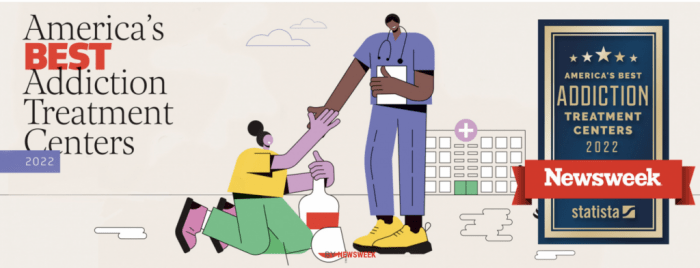
Addiction treatment programs are designed to help individuals overcome substance use disorders and regain control of their lives. The primary objectives of these programs include addressing the underlying issues related to addiction, providing support for physical and mental health, and empowering individuals with the tools necessary for long-term recovery. In the United States, there are various types of addiction treatment programs available, tailored to meet the unique needs of each individual.
These programs can be categorized into inpatient, outpatient, intensive outpatient, and partial hospitalization services. The importance of personalized treatment plans cannot be overstated, as they are crucial in addressing the specific needs and circumstances of each individual, thus increasing the likelihood of successful recovery.
If you’re considering a life-changing procedure, understanding your options is essential. Look into the Affordable Weight Loss Surgery Options in America , which can provide effective solutions at reasonable prices, making healthier living more accessible for everyone.
Types of Treatment Approaches
Different therapeutic approaches are utilized in addiction treatment to cater to the diverse needs of individuals seeking recovery. These approaches include:
- Cognitive Behavioral Therapy (CBT): This method helps individuals identify and change negative thought patterns and behaviors associated with addiction.
- Motivational Interviewing: A client-centered approach that enhances an individual’s motivation to change by exploring and resolving ambivalence.
- Family Therapy: Involving family members in the treatment process to address systemic issues and improve communication.
When comparing inpatient and outpatient treatment programs, it is essential to note that inpatient programs provide 24/7 care in a controlled environment, while outpatient programs allow individuals to maintain their daily responsibilities while attending scheduled treatment sessions. Additionally, medication-assisted treatment plays a significant role in addiction recovery, combining behavioral therapies with medications to help manage withdrawal symptoms and cravings.
When contemplating vision correction, many people ask, “Is it worth it?” That’s why it’s important to review the LASIK Eye Surgery Cost in USA – Is It Worth It? , as understanding the financial and health implications can help you make an informed decision about your vision care.
Notable Addiction Treatment Centers
Several addiction treatment centers across the U.S. have gained recognition for their high success rates in helping individuals achieve sobriety. Key centers include:
| Center Name | Location | Treatment Methods | Client Reviews |
|---|---|---|---|
| Hazelden Betty Ford Foundation | Multiple Locations | Inpatient, outpatient, family programs | 4.8/5 |
| Caron Treatment Centers | Pennsylvania | Residential, outpatient, detox | 4.7/5 |
| Promises Treatment Centers | California | Holistic therapies, 12-step programs | 4.6/5 |
Many of these centers specialize in specific areas such as dual diagnosis, which addresses co-occurring mental health disorders, and detox facilities that provide medical supervision during withdrawal.
Evidence-Based Practices
Evidence-based practices are essential components of effective addiction treatment, as they are grounded in research and proven outcomes. Implementing these practices enhances recovery outcomes by providing structured interventions that have demonstrated effectiveness.Measuring treatment effectiveness and outcomes is crucial for continuous improvement and ensuring that clients receive the best possible care. Continuous care and aftercare also play a vital role in maintaining sobriety, offering ongoing support and resources to individuals post-treatment.
Financial Considerations, Top Addiction Treatment Programs in the US
Costs associated with addiction treatment programs can vary significantly depending on the type of facility, length of stay, and services provided. Understanding these costs is essential for individuals seeking help.Financing addiction treatment can be challenging, but various options are available, including:
- Insurance coverage: Many insurance plans cover addiction treatment, though coverage levels may vary.
- Scholarships and grants: Some treatment centers offer financial assistance programs for those in need.
- Sliding scale fees: Certain facilities adjust their fees based on an individual’s financial situation.
Financial aid resources for individuals seeking treatment may include non-profit organizations, state-funded programs, and community resources designed to provide assistance.
Support Systems and Resources
Support systems are integral to the recovery process, providing individuals with the encouragement and understanding necessary to maintain sobriety. Key support systems include:
- Support groups: Programs such as Alcoholics Anonymous (AA) and Narcotics Anonymous (NA) offer community and accountability.
- Family involvement: Engaging family members in the recovery process can strengthen bonds and improve outcomes.
- Community resources: Local organizations often provide counseling, skill-building workshops, and job placement assistance.
Building a strong support network during and after treatment is essential for long-term recovery, fostering connections that promote continued growth and healing.
Trends in Addiction Treatment
Emerging trends in addiction treatment are shaping the future of recovery, with increased focus on holistic therapies that address the whole person, including emotional, physical, and spiritual well-being. Telehealth services have also gained popularity, allowing individuals to access treatment remotely, thereby increasing accessibility.The impact of technology on addiction treatment programs has been profound, facilitating online counseling, support apps, and virtual support groups.
Additionally, society’s perceptions of addiction and recovery are shifting, with a growing understanding of addiction as a chronic disease rather than a moral failing.
Success Stories and Testimonials
Recovery stories often serve as powerful motivators, illustrating the effectiveness of treatment programs. Many individuals have overcome significant challenges and share their journeys to inspire others.Testimonials from those who have successfully completed treatment highlight the positive changes in their lives and the importance of the support they received. Sharing personal stories can encourage others to seek help and realize that recovery is possible, fostering a sense of hope and connection within the recovery community.
Summary
In summary, the landscape of addiction treatment in the US is diverse and continually evolving, with evidence-based practices and innovative recovery strategies leading the way. By exploring financial considerations and support systems, individuals can find the resources necessary to foster long-term sobriety. As success stories and testimonials underscore the transformative power of these programs, it becomes clear that hope and healing are within reach for those willing to seek help.