Top Hospitals in USA for Surgery (Compare Options) serves as a crucial guide for patients navigating the complex decision of where to undergo surgical procedures. Selecting the right hospital can significantly impact surgical outcomes, recovery times, and overall patient experience. Factors such as hospital reputation, accreditation, and cutting-edge technology play a pivotal role in determining the best options available.
With a wealth of information at your fingertips, understanding the statistics surrounding surgical success rates and the specialties each hospital offers can help ensure informed choices. This overview is designed to shed light on the criteria for evaluating surgical hospitals and to present a comparative analysis of the leading institutions in the country.
Overview of Top Hospitals in the USA for Surgery: Top Hospitals In USA For Surgery (Compare Options)
Choosing the right hospital for surgical procedures is a critical decision that can significantly impact patient outcomes and recovery experiences. With a plethora of options available, understanding the reputation and capabilities of various hospitals is essential for patients and their families. The quality of surgical care can vary widely between institutions, and this variation can be attributed to several factors including surgical success rates, technology used, and the expertise of medical staff.Factors contributing to a hospital’s reputation in surgical procedures include the volume of surgeries performed, the qualifications of the surgical team, and patient outcomes.
Statistics show that hospitals renowned for their surgical capabilities tend to have higher success rates and lower rates of complications. For instance, according to the latest data from the American College of Surgeons, hospitals within the top tier boast success rates of over 90% for common surgical procedures.
Criteria for Evaluating Surgical Hospitals
When comparing hospitals for surgical procedures, several key criteria should be considered to ensure optimal care. These include:
- Accreditation and Certifications: Hospitals should have relevant accreditations from recognized bodies, indicating adherence to high standards of care.
- Specialization: Certain hospitals may excel in specific surgical fields, such as cardiac or orthopedic surgery, influencing the choice based on the patient’s needs.
- Patient Volume: A higher number of surgeries performed often correlates with greater expertise and better outcomes.
- Success Rates: Hospitals should provide transparent statistics regarding their surgical success rates and complication rates.
- Patient Support Services: Availability of comprehensive support services before and after surgery can enhance the patient experience.
Accreditation and certifications play a crucial role in hospital selection. For example, hospitals accredited by The Joint Commission often meet high-quality standards in patient care and safety.
Comparison of Leading Surgical Hospitals, Top Hospitals in USA for Surgery (Compare Options)
A comparative analysis of the top surgical hospitals in the USA reveals unique offerings and specialties that cater to different surgical needs. Here is a brief overview of some leading hospitals:
| Hospital Name | Specialties | Location | Accreditation |
|---|---|---|---|
| Johns Hopkins Hospital | Cardiac Surgery, Neurosurgery | Baltimore, MD | The Joint Commission |
| Cleveland Clinic | Cardiovascular Surgery, Gastroenterology | Cleveland, OH | The Joint Commission |
| Massachusetts General Hospital | Orthopedic Surgery, Cancer Surgery | Boston, MA | The Joint Commission |
Patient experiences can provide valuable insights into the quality of care received at these institutions. As one patient from Johns Hopkins noted,
“The level of care and attention I received during my surgery was exceptional; I felt reassured and well taken care of throughout the entire process.”
Another patient from Cleveland Clinic stated,
If you’re considering a hair transplant, understanding the financial aspect is crucial. The cost of a hair transplant in the USA varies significantly based on factors like location, technique, and the clinic’s reputation. Make sure to research and find a provider that offers both quality and value for your investment.
“The surgical team was incredibly skilled, and my recovery was much faster than I anticipated.”
Advances in Surgical Technology at Top Hospitals
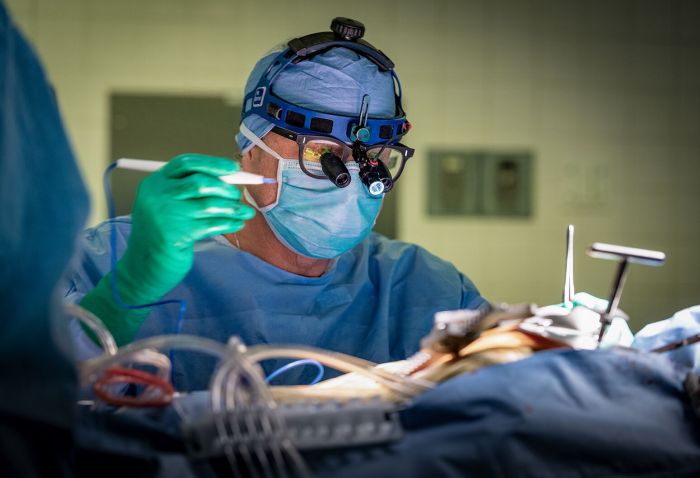
Leading hospitals are at the forefront of adopting the latest surgical technologies and techniques, which significantly enhance patient outcomes. Innovations such as robotic-assisted surgery, advanced imaging, and minimally invasive techniques are becoming increasingly common.Robotic-assisted surgeries not only allow for greater precision but also reduce recovery times. For example, hospitals like Cleveland Clinic are pioneers in utilizing the da Vinci Surgical System, offering patients minimally invasive options for complex procedures.
These advances lead to less postoperative pain, shorter hospital stays, and quicker return to daily activities.Moreover, hospitals are increasingly integrating technology to improve overall surgical outcomes, with data analytics being used to refine surgical techniques and enhance recovery protocols.
Understanding Health Insurance and Surgical Costs
Navigating health insurance coverage and understanding the costs associated with surgical procedures are essential for patients planning surgery. Top hospitals often accept a variety of health insurance plans, making it crucial for patients to verify their coverage options beforehand.The average costs of surgeries can vary significantly between hospitals depending on factors such as location, type of surgery, and the resources available.
Here is a table of estimated costs for common surgical procedures across selected hospitals:
| Procedure | Johns Hopkins | Cleveland Clinic | Massachusetts General |
|---|---|---|---|
| Knee Replacement | $30,000 | $28,500 | $32,000 |
| Heart Bypass Surgery | $45,000 | $50,000 | $48,000 |
| Appendectomy | $15,000 | $14,000 | $16,500 |
Patient Support Services in Surgical Hospitals
Patient support services play a vital role in enhancing the surgical experience. These services may include pre-operative education, counseling, and comprehensive post-operative care designed to ensure optimal recovery.Top hospitals are known for their robust support programs that address the emotional and psychological aspects of surgery. For instance, many facilities provide pre-operative classes where patients can learn about the procedure, ask questions, and meet with their surgical team.
Post-operative services often include follow-up care, pain management programs, and access to nutritionists.Programs like Cleveland Clinic’s “Surgical Patient Navigator” are designed to guide patients through the surgical process, ensuring they feel informed and supported every step of the way.
When it comes to weight loss, many individuals seek affordable weight loss surgery options in America that provide effective solutions without breaking the bank. The key is to explore various programs, understand their benefits, and choose one that aligns with both your health goals and budget.
Future Trends in Surgical Care
The landscape of surgical care is evolving rapidly, with emerging trends indicating a shift towards more personalized and technologically advanced care. Hospitals are adapting to these trends by incorporating telemedicine for consultations and follow-ups, enhancing accessibility for patients.Telemedicine is proving particularly beneficial in providing pre-operative assessments and post-operative check-ins, allowing patients to receive care from the comfort of their homes.
Considering eye surgery? It’s essential to evaluate the financial implications before proceeding. Researching the LASIK eye surgery cost in the USA can help you decide if the procedure fits your financial and visual health needs. Weigh the costs against the potential benefits for a clearer perspective.
Hospitals such as Massachusetts General are leading the way in integrating telehealth into their surgical programs, ensuring continuity of care without the need for frequent in-person visits.As technology continues to advance, hospitals are also focusing on minimally invasive techniques which minimize tissue damage and improve recovery times. The future of surgical care is bright, with innovations promising to enhance patient safety and overall satisfaction.
Summary
In summary, the landscape of surgical care in the USA is continually evolving, driven by advancements in technology and patient-centered approaches. By comparing top hospitals and understanding the intricacies of surgical costs, insurance coverage, and support services, patients can make empowered decisions about their health. The future of surgical care holds promise, and with the right information, patients can embark on their surgical journey with confidence.