Top Website Builder Platforms for Small Business present an essential toolkit for entrepreneurs looking to establish their online presence. In today’s digital landscape, having a well-designed website is no longer a luxury but a necessity. Statistics reveal that nearly 70% of small businesses have a website, underscoring its significance for reaching customers and driving sales.
When selecting the right tools for your organization, exploring the Best Cloud Storage Solutions for Business is crucial. These solutions offer scalable storage, enhanced collaboration features, and robust security, making them ideal for today’s dynamic work environments. By leveraging these technologies, businesses can streamline operations and improve data management significantly.
Website builder platforms offer user-friendly solutions that enable small business owners to create professional websites without needing extensive technical skills. With the right features, these platforms can empower businesses to connect with their audience effectively and showcase their products and services.
Overview of Website Builder Platforms
Website builder platforms are tools that allow individuals and businesses to create websites without needing extensive coding or technical skills. These platforms simplify the process of web design by providing pre-designed templates and an intuitive drag-and-drop interface. For small businesses, having a professional website is crucial as it serves as a digital storefront, enhances credibility, and can significantly impact customer engagement and sales.
According to recent statistics, approximately 70% of small businesses have a website, and among those without a website, 60% believe that having one would help them attract more customers.
To maximize your marketing efforts, utilizing the Top Email Marketing Tools for High ROI Campaigns can lead to increased engagement and conversion rates. These tools help in crafting personalized campaigns that resonate with your audience, ensuring that your marketing budget yields the best returns possible.
Features to Look for in a Website Builder
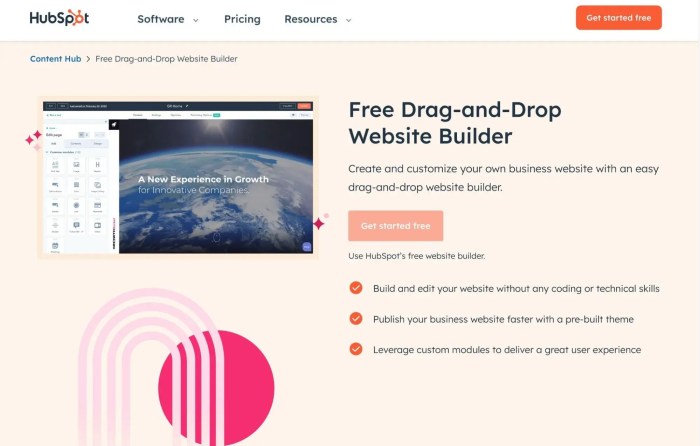
When selecting a website builder, small businesses should prioritize several key features to ensure an optimal online presence. These features include:
- Mobile Responsiveness: A mobile-responsive design ensures that the website functions effectively on various devices, catering to the growing number of mobile users.
- Tools: Integrated tools are vital for optimizing the website’s visibility on search engines, which can drive organic traffic.
- Customer Support: Access to reliable customer support can help businesses resolve issues quickly and maintain their online presence.
- User-Friendly Interface: A simple and intuitive interface allows business owners, even with limited technical skills, to navigate and manage their website efficiently.
Comparison of Popular Website Builders
The following table compares several popular website builders, focusing on pricing, features, and ease of use:
| Website Builder | Pricing | Key Features | Ease of Use | Target Audience |
|---|---|---|---|---|
| Wix | Starts at $14/month | Drag-and-drop interface, app market, templates | Very easy | Small businesses and freelancers |
| Squarespace | Starts at $12/month | Elegant templates, blogging tools, analytics | Moderately easy | Creative professionals and small businesses |
| Shopify | Starts at $29/month | E-commerce features, payment gateways, inventory management | Easy | E-commerce businesses |
Each platform has its unique selling proposition. Wix is known for its user-friendly design, Squarespace offers stunning templates ideal for creative industries, and Shopify provides robust e-commerce functionalities.
Cost Analysis of Website Builders
Understanding the costs associated with website builders is essential for small businesses. Most platforms offer various pricing plans that cater to different needs. Here’s a breakdown of typical costs:
- Monthly Fees: Basic plans range from $12 to $40, while advanced features can lead to fees exceeding $100 per month.
- Additional Costs: Businesses may incur extra charges for premium templates, custom domains, and add-ons such as e-commerce functionalities.
- Free vs. Paid Plans: Free plans often come with limitations, such as branding from the website builder and reduced functionalities, while paid plans provide greater flexibility and features.
Budgeting for website development should account for these factors, with businesses encouraged to evaluate their needs and choose a plan that aligns with their growth objectives.
User Experience and Ease of Use, Top Website Builder Platforms for Small Business
User interface design is critical for small business owners utilizing website builders. An intuitive design allows users to create and manage their sites without steep learning curves. For instance, platforms like Wix and Shopify emphasize simplicity in their interfaces, enabling users to launch their websites quickly. Poor user experiences can deter business owners from effectively managing their sites, highlighting the importance of user-friendly design, especially for those with limited technical skills.
E-commerce Capabilities
E-commerce functionalities are essential for small businesses looking to sell products online. Website builders offer various e-commerce tools, including:
- Shopping Cart Features: Essential for facilitating purchases and ensuring a smooth checkout process.
- Payment Gateways: Integrating multiple payment options like credit cards, PayPal, and other services enhances customer convenience.
- Inventory Management Tools: These tools help businesses track stock levels, manage orders, and provide insights into sales performance.
A well-equipped e-commerce platform can significantly streamline online sales processes, allowing small businesses to focus on growth.
Customization Options
Customization capabilities within website builders are crucial for establishing a unique online identity. Various platforms offer numerous templates and themes tailored for small businesses. These customization options enable businesses to align their websites with their brand aesthetics. Flexibility in design not only enhances user experience but also strengthens brand identity online, allowing businesses to stand out in a competitive market.
Integration with Other Tools
Integrating essential tools with website builders can significantly enhance business operations. Key integrations often include:
- CRM Systems: These tools help manage customer relationships and streamline interactions.
- Email Marketing Tools: Integration with email platforms allows businesses to engage customers through newsletters and promotions.
Effective integrations improve website functionality, making it easier for small businesses to operate and connect with their audiences.
Finding effective support is vital, especially when exploring the Top Addiction Treatment Programs in the US. These programs provide comprehensive care tailored to individual needs, emphasizing both physical and mental well-being, and play a crucial role in guiding individuals toward recovery and a healthier lifestyle.
Security and Reliability
Security features are paramount for protecting sensitive business and customer information. Most major website builders offer:
- SSL Certificates: These certificates encrypt data transmitted between the website and its users, ensuring secure connections.
- Uptime Reliability: A reliable website builder should guarantee high uptime levels, minimizing downtime and maintaining customer access.
- Backup Options: Regular backups are crucial for restoring websites in case of data loss.
Small business owners should prioritize these security features to safeguard their online presence effectively.
Case Studies of Successful Small Business Websites
Several small businesses have effectively utilized website builders to enhance their online presence. For example, a local bakery used Shopify to launch its e-commerce site, allowing it to reach a wider audience beyond its physical location. By leveraging social media and email marketing, the bakery increased its online orders by 50% within six months. Challenges such as initial website traffic and competition were overcome by focusing on unique product offerings and exceptional customer service.
Insights from these businesses indicate the significant impact of a well-designed website on growth and brand visibility.
Last Recap: Top Website Builder Platforms For Small Business
In conclusion, selecting the best website builder is crucial for small businesses aiming to thrive online. By considering factors like ease of use, e-commerce capabilities, and customization options, entrepreneurs can make informed decisions that enhance their brand identity and operational efficiency. As digital presence increasingly impacts customer engagement, investing time in choosing the right platform will pay off in the long run.