Tag: financial advice

  • How to Get a Personal Loan with No Collateral Made Easy

    How to Get a Personal Loan with No Collateral Made Easy

    How to Get a Personal Loan with No Collateral is a critical topic for anyone seeking financial assistance without the burden of collateral. Personal loans can serve various purposes, from consolidating debt to financing unexpected expenses. Understanding the nuances of unsecured loans, eligibility criteria, and the application process is essential for securing the funds you need without risking your assets.

    In this comprehensive guide, we will explore what personal loans are, the differences between secured and unsecured options, and the specific steps you can take to increase your chances of approval. With the right knowledge and preparation, obtaining a personal loan without collateral can be a straightforward process that opens the door to financial freedom.

    Understanding Personal Loans: How To Get A Personal Loan With No Collateral

    Personal loans are a type of unsecured financing that allows individuals to borrow money for a variety of personal expenses. These loans are typically taken out for purposes such as consolidating debt, covering medical bills, or financing large purchases. Unlike secured loans, which require collateral such as a home or vehicle, personal loans do not require any assets to be pledged.The primary difference between secured and unsecured loans lies in the requirement of collateral.

    Secured loans are backed by an asset that the lender can seize if the borrower defaults, while unsecured loans rely solely on the borrower’s creditworthiness. Common uses for personal loans without collateral include funding home improvements, paying for educational expenses, or covering unexpected emergencies.

    Eligibility Criteria for No-Collateral Personal Loans, How to Get a Personal Loan with No Collateral

    To qualify for a personal loan without collateral, borrowers typically need to meet specific eligibility criteria set by lenders. These requirements can vary by lender but generally include factors such as minimum income levels, employment stability, and a good credit history. A crucial aspect of the approval process is the credit score. Lenders evaluate credit scores to determine the risk of lending money.

    A higher credit score often leads to better interest rates and terms. Additionally, lenders consider other factors such as the applicant’s debt-to-income ratio and overall financial stability when assessing loan applications.

    Types of No-Collateral Personal Loans

    There are several types of unsecured personal loans available to borrowers. Some of the most common include:

    • Fixed-rate personal loans: These loans have a set interest rate and fixed monthly payments.
    • Variable-rate personal loans: Interest rates can fluctuate based on market conditions.
    • Peer-to-peer loans: These are funded by individual investors rather than traditional banks.
    • Credit union loans: Often offer lower interest rates and more favorable terms than traditional banks.

    When comparing different loan options, interest rates and terms can vary significantly. Below is a table summarizing features from various lenders:

    Lender Interest Rate (APR) Loan Amount Range Repayment Terms
    Lender A 6.99% – 24.99% $1,000 – $50,000 3 – 5 years
    Lender B 5.99% – 22.99% $500 – $35,000 2 – 7 years
    Lender C 7.99% – 23.99% $1,200 – $40,000 1 – 4 years

    Application Process

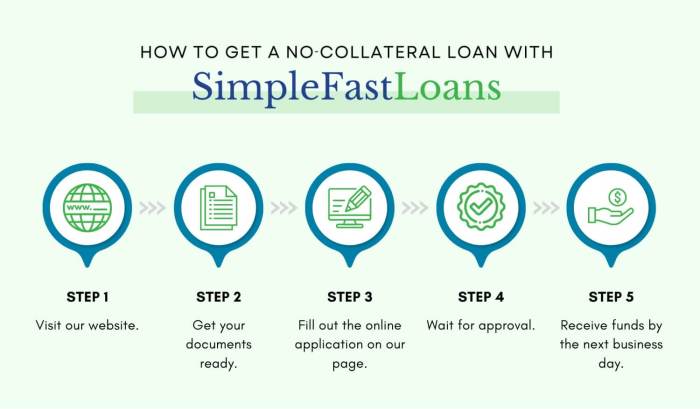
    Applying for a no-collateral personal loan involves several key steps. The process typically includes:

    1. Researching lenders and comparing offers based on interest rates and terms.
    2. Checking your credit score to understand your eligibility.
    3. Gathering necessary documentation, such as proof of income and identification.
    4. Submitting the loan application online or in person.
    5. Waiting for the lender’s decision.

    Essential documentation needed for the application often includes:

    • Proof of identity (e.g., driver’s license or passport).
    • Proof of income (e.g., pay stubs or tax returns).
    • Bank statements to verify financial stability.

    A checklist for applicants could include:

    • Check credit score.
    • Identify the purpose of the loan.
    • Gather all required documents.
    • Review lender requirements.

    Improving Chances of Approval

    Enhancing creditworthiness before applying for a personal loan can significantly increase the likelihood of approval. Strategies to consider include:

    • Paying down existing debts to improve debt-to-income ratio.
    • Making timely payments on current accounts to boost credit score.
    • Limiting new credit inquiries before applying.

    Presenting a strong loan application involves clearly articulating the purpose of the loan and demonstrating financial responsibility. Providing a budget plan can also reassure lenders of your ability to repay.

    For those looking to secure financing, knowing the best options available is essential. That’s why you should check out the Top Mortgage Lenders in USA (2026 Review). This resource provides insights into reliable lenders, helping you make informed choices for your mortgage needs.

    Understanding Loan Terms and Conditions

    When reviewing loan agreements, it’s essential to understand key terms such as interest rates, repayment schedules, and any applicable fees. Common fees associated with personal loans can include:

    • Origination fees charged by lenders for processing the loan.
    • Late payment fees for missed deadlines.
    • Prepayment penalties for paying off the loan early.

    Understanding repayment terms is crucial as they dictate how much you’ll pay each month and over the life of the loan. Always read the fine print to avoid unexpected costs.

    Selecting the right tools is crucial for business success. Therefore, understanding How to Choose the Right CRM for Your Business can help you align customer relationship management strategies with your specific needs. A well-chosen CRM system can foster better customer relationships and drive sales growth effectively.

    Alternatives to No-Collateral Personal Loans

    There are other financing options available for those who may not want to pursue a no-collateral personal loan. Alternatives include:

    • Credit cards: Offer short-term borrowing with variable interest rates.
    • Peer-to-peer lending: Connects borrowers directly with investors.
    • Home equity loans: Use your home’s equity as collateral.

    Each of these alternatives has its pros and cons. For example, credit cards can provide immediate access to funds but may come with high-interest rates, while peer-to-peer lending can be more flexible but may also involve fees.

    Managing Loan Repayment

    Effectively managing loan repayment is crucial to avoid default. Strategies include:

    • Establishing a budget to allocate funds for loan payments.
    • Setting up automatic payments to ensure timely repayments.
    • Creating a repayment plan that Artikels monthly payment amounts and timelines.

    A sample repayment schedule might look like this:

    Month Payment Amount Remaining Balance
    1 $200 $4,800
    2 $200 $4,600
    3 $200 $4,400

    Proper budgeting and adherence to a repayment schedule can help maintain financial health and prevent future borrowing challenges.

    Closure
    How to Get a Personal Loan with No Collateral

    In summary, successfully navigating the landscape of no-collateral personal loans requires diligence and a solid understanding of key factors such as creditworthiness, loan terms, and alternative financing options. By following the Artikeld steps and strategies, you can position yourself for a favorable outcome in your loan application process. Now equipped with this knowledge, you’re ready to take charge of your financial journey and make informed decisions that benefit your situation.

    When exploring the best solutions for streamlining operations, consider the Best Inventory Management Software (2026 Guide) to enhance efficiency in tracking stock and reducing overhead costs. By utilizing cutting-edge technology, businesses can optimize their inventory processes significantly, making informed decisions that drive profitability.


  • How to Consolidate Debt and Save Money Effectively

    How to Consolidate Debt and Save Money Effectively

    How to Consolidate Debt and Save Money is a crucial topic for anyone looking to regain control over their finances. Debt consolidation serves as a powerful tool that simplifies repayment strategies, reduces interest payments, and can significantly ease the mental burden of managing multiple debts. By understanding the underlying concepts and benefits, you can make informed decisions on how to tackle your financial challenges.

    This guide will explore the various methods of debt consolidation, the step-by-step process to embark on this financial journey, and the potential risks involved. Furthermore, it will provide practical strategies for saving money post-consolidation, ensuring you not only manage your debt effectively but also build a more secure financial future.

    In the competitive landscape of startups, having the right tools can make a crucial difference. Software as a Service (SaaS) solutions offer flexibility and scalability, which are essential for emerging businesses. Explore the Top SaaS Tools for Startups in USA to equip your team with the necessary resources for success.

    Understanding Debt Consolidation

    How to Consolidate Debt and Save Money

    Debt consolidation is a financial strategy aimed at combining multiple debts into a single payment, often at a lower interest rate. This approach simplifies personal finance management by reducing the number of monthly payments and potentially lowering overall interest expenses. Understanding the nuances of debt consolidation is crucial for anyone striving for financial stability.Various types of debt can be consolidated, including credit card debt, personal loans, medical bills, and even student loans.

    As remote work becomes more prevalent, effective communication tools are essential for collaboration. The right video conferencing software can enhance team engagement and productivity, regardless of location. Discover the Best Video Conferencing Software for Remote Work to ensure seamless interactions within your organization.

    By targeting these debts, individuals can streamline their financial obligations, making it easier to manage payments and reduce overall debt amounts.Misconceptions about debt consolidation often lead to confusion. Many people believe that consolidating debt is a magic solution to their financial woes, when in reality, it requires careful planning and discipline. Others think that debt consolidation means they no longer owe any money, but it’s essential to recognize that the debt still exists; it has merely been reorganized.

    Benefits of Consolidating Debt

    Consolidating debt offers numerous financial benefits, primarily through interest savings. For instance, if an individual consolidates high-interest credit card debt into a lower-interest personal loan, they can save substantial amounts over time. This financial strategy can lead to decreased monthly payments, allowing for easier budgeting and cash flow management.Additionally, reducing multiple debts into one can significantly ease emotional stress and anxiety.

    The simplicity of having a single monthly payment instead of juggling multiple due dates can enhance peace of mind, allowing individuals to focus on other aspects of their lives.

    Methods of Debt Consolidation

    Several methods are available for consolidating debt, each with its unique advantages and considerations. Popular options include:

    • Personal loans from banks or credit unions
    • Balance transfer credit cards with promotional low or zero interest rates
    • Home equity loans or lines of credit
    • Debt management plans through credit counseling services

    To illustrate the differences in interest rates across various consolidation options, the following table compares typical rates:

    Method Average Interest Rate
    Personal Loan 6% – 36%
    Balance Transfer Card 0% – 25%
    Home Equity Loan 3% – 10%
    Debt Management Plan Varies (typically lower than credit cards)

    A debt management plan, often facilitated by a credit counseling service, allows individuals to work with professionals who can negotiate better terms with creditors, potentially lowering interest rates and monthly payments.

    To drive effective decision-making, businesses increasingly rely on insights derived from data. Utilizing the right tools can significantly enhance analysis capabilities, leading to substantial growth. For a comprehensive list, check out the Top Data Analytics Tools for Business Growth that can transform your data into actionable strategies.

    Steps to Consolidate Debt, How to Consolidate Debt and Save Money

    Consolidating debt involves a systematic approach that begins with assessing current debt levels. Individuals should gather all financial statements and list debts, including outstanding balances, interest rates, and monthly payments.Evaluating potential consolidation options requires examining personal financial situations, including income, expenses, and credit scores. This assessment helps identify the most suitable consolidation method.Applying for a debt consolidation loan or credit solution typically involves submitting an application to lenders, providing necessary financial documentation, and demonstrating the ability to repay the new loan.

    Borrowers should compare various offers to find the best terms.

    Risks and Considerations

    While debt consolidation can be beneficial, it is essential to acknowledge potential risks. Hidden fees or unfavorable loan terms can lead to increased debt burdens. Individuals should be wary of companies that promise quick fixes with high upfront costs.Warning signs that debt consolidation may not be the best option include persistent financial struggles even after consolidation, high-interest rates on new loans, or a significant increase in total debt.

    To avoid common pitfalls, individuals should carefully read the fine print of loan agreements and seek assistance from reputable financial advisors.

    Strategies to Save Money Post-Consolidation

    After consolidating debt, implementing effective budgeting strategies is crucial. Individuals should create a comprehensive budget that prioritizes debt repayment while allowing for necessary expenses. Cutting unnecessary costs can significantly increase savings. Simple changes, such as reducing dining out or subscription services, can make a substantial difference in monthly budgets. Building an emergency fund is another key strategy.

    Setting aside small amounts regularly can provide a financial cushion, making it easier to manage unexpected expenses while handling consolidated debt.

    Resources and Tools for Debt Management

    Several online tools and apps can assist individuals in tracking their debt and savings progress. Programs like Mint or YNAB (You Need A Budget) help manage finances effectively and stay on top of payments.Financial advisors play a critical role in managing consolidated debt, providing personalized advice and strategies tailored to individual situations. Reputable organizations that offer support for debt consolidation include the National Foundation for Credit Counseling (NFCC) and the Financial Counseling Association of America (FCAA).

    These entities provide valuable resources and counseling services to help individuals navigate the complexities of debt management.

    Last Point: How To Consolidate Debt And Save Money

    In conclusion, consolidating your debt can pave the way for significant financial relief and savings. By carefully weighing your options and implementing effective strategies, you can transform your financial landscape. Remember, the key to successful debt management lies not only in consolidation but also in maintaining a disciplined approach to your finances moving forward.

  • Compare Personal Loan Rates in USA Today

    Compare Personal Loan Rates in USA Today

    Compare Personal Loan Rates in USA Today and discover how lenders across the nation are shaping the borrowing landscape. With interest rates fluctuating based on credit scores, economic conditions, and regional differences, understanding the current rates can empower you to make informed financial decisions. As personal loans gain popularity for various purposes, from debt consolidation to unexpected expenses, knowing where to find the best rates becomes crucial.

    To drive business success in today’s data-driven landscape, utilizing the most effective tools is essential. Explore the top data analytics tools for business growth that can provide valuable insights and help you make informed decisions. Leveraging these tools can give your company a competitive edge.

    In this exploration, we delve into the current state of personal loan rates, discuss the factors influencing these rates, and provide practical insights on how to effectively compare offers. By understanding the nuances of personal loans, you can position yourself to secure the most favorable terms available in today’s market.

    Overview of Personal Loan Rates in the USA

    The landscape of personal loan rates in the United States has undergone significant changes in recent years, influenced by various economic factors and lender strategies. As consumers seek to finance everything from home improvements to debt consolidation, understanding the current state of personal loan rates becomes crucial. Currently, personal loan rates vary widely depending on the lender, the borrower’s creditworthiness, and overall market conditions.

    On average, interest rates for personal loans typically range from 6% to 36%. Borrowers with excellent credit scores can expect rates closer to the lower end of that spectrum, while those with poor credit may find themselves facing much higher rates. Market trends indicate that loan rates can fluctuate based on the Federal Reserve’s interest rate decisions and economic indicators like inflation.

    Finding the right tools is crucial for any organization, especially when it comes to protecting sensitive data. The best cybersecurity software for companies offers robust solutions to combat evolving threats and ensure compliance. With the right software, businesses can safeguard their assets effectively while focusing on growth.

    Factors Influencing Personal Loan Rates, Compare Personal Loan Rates in USA Today

    Compare Personal Loan Rates in USA Today

    Several key factors play a significant role in determining personal loan rates. Understanding these can empower borrowers to make more informed financial decisions.

    • Credit score: A higher credit score generally leads to lower interest rates. Lenders view individuals with good credit as less risky, resulting in more favorable terms.
    • Income: A stable and sufficient income reassures lenders of a borrower’s ability to repay the loan, potentially leading to better rates.
    • Loan amount: Larger loan amounts may come with higher interest rates, reflecting the increased risk lenders take on.
    • Economic indicators: Inflation rates and Federal Reserve policies can heavily influence interest rates across the board.
    • Lender competition: The level of competition among lenders can drive down rates as they vie for borrowers’ business.

    Types of Personal Loans

    Personal loans are categorized primarily into two types: secured and unsecured loans. Each type has distinct features that can impact the interest rates and terms offered to borrowers.

    • Secured loans: These loans are backed by collateral, such as a vehicle or savings account, which can lead to lower interest rates. If the borrower defaults, the lender can claim the collateral to recover losses.
    • Unsecured loans: Not backed by any collateral, unsecured loans typically have higher interest rates due to the increased risk for lenders.
    Loan Type Average Interest Rate
    Secured Personal Loan 5% – 10%
    Unsecured Personal Loan 10% – 36%

    Typical uses for personal loans include consolidating debt, financing home improvements, and covering unexpected expenses. Rates can vary significantly depending on the purpose of the loan and the borrower’s credit profile.

    How to Compare Personal Loan Rates

    When navigating the world of personal loans, comparing rates from different lenders is essential to securing the best deal. Steps to take when comparing rates include:

    1. Gather multiple quotes from various lenders to ensure a comprehensive comparison.
    2. Use online comparison tools that aggregate rates based on personal data.
    3. Be mindful of additional costs, such as origination fees, and not just the stated interest rate.
    4. Consider the loan terms, including repayment period and any potential penalties for early repayment.

    Impact of Credit Score on Personal Loan Rates

    Credit scores are one of the most significant determinants of the interest rates lenders offer on personal loans. Borrowers with higher credit scores can often access much lower interest rates compared to those with lower scores.A breakdown of interest rates associated with different credit score ranges is as follows:

    • Excellent (750 and above): 6%
      -10%
    • Good (700 – 749): 10%
      -15%
    • Fair (650 – 699): 15%
      -20%
    • Poor (649 and below): 20%
      -36%

    To secure better loan rates, borrowers can adopt strategies to improve their credit scores, such as paying down existing debts, ensuring timely bill payments, and monitoring their credit reports for errors.

    Regional Differences in Personal Loan Rates

    Personal loan rates exhibit considerable variation across different regions of the United States. Factors contributing to these regional differences include local economic conditions, cost of living, and competitive landscapes among lenders.

    State Average Personal Loan Rate
    California 9% – 21%
    Texas 10% – 22%
    New York 8% – 20%

    The reasons behind these disparities often include variations in state regulations, the cost of living, and the overall financial environment in each region.

    Current Offers from Major Lenders

    As of now, several major financial institutions are providing competitive personal loan rates. Current rate offers include:

    • Bank of America: Rates starting at 6.99% with terms up to 60 months.
    • Discover: Rates from 6.99% to 24.99%, with no origination fees.
    • Marcus by Goldman Sachs: Offers rates between 6.99% and 19.99% with flexible repayment terms.

    It’s essential to understand the terms and conditions associated with these offers, including any fees, prepayment penalties, and eligibility requirements.

    As companies increasingly rely on digital solutions, selecting the right resources becomes paramount. Consider the best cloud storage solutions for business to enhance collaboration and secure data. These solutions not only improve accessibility but also ensure that your information is protected from potential breaches.

    Consequences of High Personal Loan Rates

    Borrowers who take on personal loans with high-interest rates may face significant long-term financial repercussions. The burden of high-interest payments can lead to debt spirals and affect overall financial health.Some strategies for managing or refinancing high-rate loans include:

    • Consolidating debt with a lower-interest loan.
    • Negotiating with lenders for better terms or payment plans.
    • Exploring credit counseling services for professional advice.

    The risks associated with defaulting on high-interest loans are severe, including damage to credit scores, legal consequences, and in some cases, loss of collateral if the loan is secured.

    Closing Notes: Compare Personal Loan Rates In USA Today

    In conclusion, navigating the world of personal loan rates can seem daunting, but armed with the right information, you can uncover great opportunities. By considering various factors such as credit scores, regional pricing, and current lender offers, you can avoid the pitfalls of high-interest rates and make choices that align with your financial goals. Always remember, the key to successful borrowing lies in thorough research and careful comparison.