Tag: credit repair

  • Top Credit Repair Services in the US (2026 Review)

    Top Credit Repair Services in the US (2026 Review)

    Top Credit Repair Services in the US (2026 Review) offers a deep dive into the evolving landscape of credit repair in America. As consumers increasingly face credit challenges, understanding how these services can aid in restoring financial health has never been more critical. In 2026, the significance of credit repair services is underscored by rising credit issues, prompting many to seek help navigating a complex regulatory environment that shapes the industry.

    When faced with unexpected expenses, having access to quick cash is crucial. While payday loans are common, many alternatives offer better terms and lower risks. Exploring options can lead to smarter financial decisions. For insight into viable options, look into the Best Payday Loan Alternatives for Emergency Cash , which outlines safer choices for urgent financial needs.

    This review will help you identify the best credit repair options available, highlighting their importance in improving financial stability and providing insights into the selection criteria for these services.

    Overview of Credit Repair Services in the US

    Credit repair services play a crucial role in helping consumers navigate the complexities of credit management in 2026. These services assist individuals in improving their credit scores, which is vital for securing loans, credit cards, and favorable interest rates. With the increasing prevalence of credit issues among the population, especially in the wake of economic fluctuations, the demand for effective credit repair solutions has surged.Credit problems are widespread, affecting millions of consumers who may encounter difficulties such as late payments, high debt levels, or errors on their credit reports.

    Managing debt can be overwhelming, but finding the right financial solutions makes a difference. Many individuals are exploring their options for debt relief. To ease this journey, consider checking out the Top Debt Consolidation Loans with Low Interest Rates. These loans provide an affordable way to consolidate your debts and regain financial stability.

    Credit repair services serve as a valuable resource, providing expertise and strategies to rectify these issues. In 2026, the regulatory landscape for credit repair services in the US has become more stringent, ensuring that consumers are protected from fraudulent practices while still allowing legitimate companies to operate effectively.

    Criteria for Selecting Top Credit Repair Services

    When evaluating credit repair services, several key factors should be considered to ensure that consumers choose the best option for their needs. These criteria include:

    • Reputation and Reviews: Analyzing customer reviews and testimonials can provide insights into the company’s reliability and effectiveness.
    • Services Offered: It’s important to understand the range of services a company provides, including credit monitoring, dispute management, and educational resources.
    • Pricing Structure: Transparency in pricing is essential; consumers should look for companies with clear fee structures and no hidden costs.
    • Success Rates: Companies with proven track records of successfully improving clients’ credit scores are often more trustworthy.

    A comparative table highlighting these factors helps consumers make informed decisions:

    Company Name Pricing Services Offered Customer Satisfaction Success Rate
    Company A $99/month Credit Monitoring, Disputes, Consultation 4.5/5 85%
    Company B $79/month Dispute Management, Education 4.0/5 80%
    Company C $89/month Comprehensive Services 4.8/5 90%

    Transparency and customer reviews are crucial in the selection process, as they provide a glimpse into the quality of service and the experiences of past clients.

    In today’s fast-paced business environment, leveraging the right tools is essential for growth. Many companies are turning to innovative solutions to analyze their data effectively. For those interested, a comprehensive overview can be found in the Top Data Analytics Tools for Business Growth , which highlights key tools that can transform raw data into actionable insights.

    In-Depth Review of Leading Credit Repair Companies

    The credit repair industry in the US is populated with several prominent players, each offering unique services tailored to meet diverse consumer needs. Here’s a comprehensive review of the top credit repair services available in 2026:

    • Company A:
      • Offers a comprehensive suite of services including credit monitoring and personalized dispute management.
      • Known for high customer satisfaction ratings and success in improving credit scores.
    • Company B:
      • Focuses on educational resources to empower clients in managing their own credit.
      • Provides a user-friendly platform for tracking progress and managing disputes.
    • Company C:
      • Specializes in aggressive dispute strategies and has a high success rate.
      • Offers a money-back guarantee if no improvements are seen within a specified period.

    Common Strategies Used by Credit Repair Services

    Credit repair companies employ a variety of strategies to enhance clients’ credit scores. Common methods include:

    • Disputing Inaccuracies: Companies routinely review credit reports for errors and file disputes with credit bureaus to rectify inaccuracies.
    • Negotiating with Creditors: Some firms negotiate with creditors to settle debts or remove negative entries in exchange for payment.
    • Credit Education: Many services provide clients with resources and advice on managing credit responsibly to prevent future issues.

    Clients can expect to see results typically within three to six months, depending on the complexity of their credit issues.

    “I was skeptical, but after working with Company A, I saw my credit score rise by 100 points in just four months.”

    Understanding the Costs of Credit Repair Services

    The pricing structures associated with credit repair services vary widely, and understanding them is crucial for consumers. Average costs include:

    • Setup Fees: An initial charge that can range from $0 to $200 depending on the service.
    • Monthly Fees: Commonly between $70 to $150 per month for ongoing services.
    • Additional Costs: May include fees for specific services like identity theft protection or credit monitoring.

    A table detailing the average costs for different services provides clarity:

    Service Type Average Cost
    Setup Fee $50 – $200
    Monthly Fee $70 – $150
    Additional Services $20 – $50 (varies)

    Consumers should remain vigilant for potential hidden fees, which some companies may impose under vague terms.

    Risks and Pitfalls of Using Credit Repair Services

    Top Credit Repair Services in the US (2026 Review)

    While credit repair services can be beneficial, there are risks involved. Key potential issues include:

    • Fraudulent Companies: Some firms may make unrealistic promises or engage in deceptive practices.
    • Negative Impact on Credit: In some cases, aggressive tactics can lead to further damage to a consumer’s credit history.
    • Scams: Consumers should be wary of companies that require upfront payments without a detailed explanation of services.

    Guidance for consumers encountering issues includes documenting all communications and seeking legal advice if necessary.

    Alternatives to Professional Credit Repair Services

    Consumers looking to repair their credit independently have several strategies at their disposal. These include:

    • DIY Credit Repair: Many individuals can successfully repair their credit by disputing errors on their credit reports.
    • Step-by-Step Dispute Process: Individuals can request reports from credit bureaus, identify inaccuracies, and submit disputes directly.
    • Resources and Tools: Utilizing online resources and tools, such as credit score simulators, can aid in the DIY process.

    Future Trends in Credit Repair Services, Top Credit Repair Services in the US (2026 Review)

    The credit repair industry is continuously evolving, influenced by various trends. In 2026, notable changes include:

    • Technological Advancements: AI and machine learning are being integrated into credit repair services to enhance accuracy in monitoring and dispute processes.
    • Consumer Needs: As awareness of credit issues grows, consumers are seeking more personalized and flexible credit repair solutions.
    • Regulatory Changes: Anticipated changes in regulations may further enhance consumer protections while promoting ethical business practices among credit repair companies.

    Ending Remarks: Top Credit Repair Services In The US (2026 Review)

    In summary, our exploration of Top Credit Repair Services in the US (2026 Review) reveals the vital role these companies play in helping consumers reclaim their financial footing. With a clear understanding of the services offered, associated costs, and potential pitfalls, individuals can make informed choices when selecting a credit repair service. As the industry continues to evolve, staying informed about trends and alternatives will empower consumers to take control of their credit health.
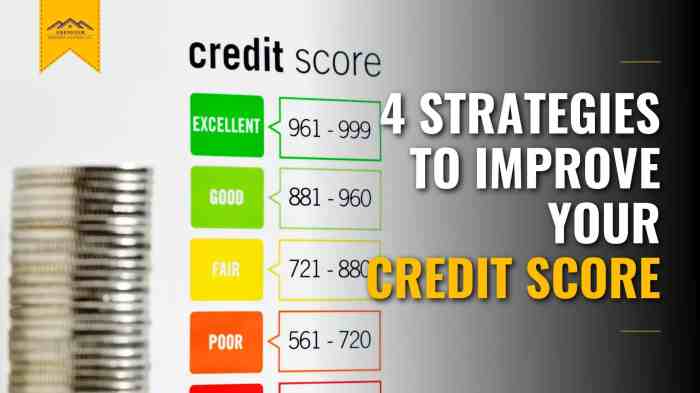
  • How to Improve Your Credit Score Fast (US Guide) Now

    How to Improve Your Credit Score Fast (US Guide) Now

    How to Improve Your Credit Score Fast (US Guide) sets the stage for mastering the essential strategies to elevate your credit standing in no time. Understanding your credit score is crucial not just for obtaining loans but for making informed financial decisions that can significantly impact your future. With the right knowledge and actionable steps, you can take charge of your credit health, debunk common myths, and implement quick fixes to boost your score.

    This guide dives into the intricate world of credit scores, covering everything from the influences that shape your score to the critical role of credit utilization and payment history. Whether you’re starting from scratch or looking to recover from past mistakes, we offer a comprehensive roadmap to achieving and maintaining a robust credit profile.

    Understanding Credit Scores

    Credit scores are essential elements in the financial landscape, influencing lending decisions and insurance rates. A credit score ranges from 300 to 850, with higher scores indicating better creditworthiness. Various factors affect these scores, including payment history, credit utilization, length of credit history, types of credit in use, and recent credit inquiries.

    Factors Influencing Credit Scores

    Several key components contribute to the calculation of a credit score:

    • Payment History (35%): Timely payments on loans and credit cards significantly boost scores.
    • Credit Utilization (30%): This ratio compares current credit card balances to total available credit.
    • Length of Credit History (15%): A longer credit history can positively impact scores.
    • Types of Credit (10%): A mix of installment loans and revolving credit can enhance scores.
    • New Credit (10%): Frequent applications for new credit can negatively affect scores.

    Credit Score Ranges and Their Implications

    Credit scores are categorized into ranges that determine borrowing terms:

    • 300 – 579: Poor credit; may face difficulties in obtaining loans.
    • 580 – 669: Fair credit; options are available, but rates may be higher.
    • 670 – 739: Good credit; most lenders view this positively.
    • 740 – 799: Very good credit; potential for lower interest rates.
    • 800 – 850: Excellent credit; offers the best terms and rates.

    The Importance of Credit Scores in Financial Decisions

    Credit scores play a crucial role in various financial decisions, including loan approvals, interest rates, and even employment opportunities. A higher score can lead to better financial products and lower costs.

    In today’s digital landscape, protecting your data is paramount. Discover the top choices for securing your business with our guide on the Best Cybersecurity Software for Companies. This resource evaluates various software to ensure your company remains resilient against cyber threats.

    Common Misconceptions about Credit Scores

    Understanding the truth about credit scores helps individuals manage their finances better and dispels common myths that could hinder financial progress.

    Debunking Myths Surrounding Credit Scores

    There are several prevalent misconceptions regarding credit scores:

    • Myth 1: Checking your own credit score hurts your score.

      This is false; checking your own score is considered a soft inquiry and does not affect it.

      Choosing the right tools is essential for streamlining your operations, which is where the Best Inventory Management Software (2026 Guide) comes into play. This guide evaluates various software options to help businesses optimize their stock management and improve efficiency.

    • Myth 2: Closing old accounts improves your score.

      In reality, this can decrease your score by reducing your credit history length.

    • Myth 3: Your score only matters when applying for loans.

      In fact, it can impact insurance premiums and rental applications as well.

    The Impact of Credit Inquiries on Credit Scores

    Credit inquiries can be categorized into two types: hard inquiries and soft inquiries. Hard inquiries, usually made when applying for a loan, can lower your credit score slightly. However, their impact diminishes over time, typically lessening after a year.

    The Truth About Maintaining a High Credit Score

    Consistently managing credit responsibly is key to maintaining a high score. This includes making on-time payments, keeping credit utilization low, and managing different types of credit wisely.

    Quick Ways to Improve Your Credit Score

    Improving your credit score quickly involves actionable steps that can yield rapid results.

    Actionable Steps to Increase Credit Scores Rapidly

    How to Improve Your Credit Score Fast (US Guide)

    To see a boost in your credit score, consider the following strategies:

    • Reduce credit card balances to lower your credit utilization ratio.
    • Ensure all bills are paid on time to maintain a positive payment history.
    • Request higher credit limits from creditors without increasing spending.
    • Pay off debt collections to improve your overall credit profile.
    • Dispute any inaccuracies found in your credit report.

    Checking Credit Reports for Errors

    Regularly checking your credit report for errors is essential. Request a free report from each of the three major credit bureaus annually. If errors are found, dispute them immediately. Following up diligently can lead to corrections that will positively impact your score.

    The Benefits of Paying Down Credit Card Balances, How to Improve Your Credit Score Fast (US Guide)

    Reducing credit card debt not only lowers credit utilization but also demonstrates responsible credit management to lenders. Aim to maintain balances below 30% of your total credit limit for optimal scoring.

    Credit Utilization Ratio

    Credit utilization is a critical metric in determining your credit score and reflects how much of your available credit you are using.

    Significance of Credit Utilization in Credit Scoring

    A lower credit utilization ratio indicates to lenders that you are not overly reliant on credit, which can enhance your creditworthiness. Credit experts recommend keeping utilization below 30% for a healthy score.

    Strategies to Lower Credit Utilization Effectively

    To effectively manage and lower your credit utilization:

    • Pay off existing balances in full each month.
    • Ask for credit limit increases from your credit card issuers.
    • Spread purchases across multiple cards instead of maxing out one.

    Ideal Ratios for Maintaining a Healthy Credit Score

    Maintaining a credit utilization ratio of under 30% is considered ideal. However, keeping it below 10% can significantly enhance your score.

    Establishing a Positive Credit History

    Building and maintaining a positive credit history is crucial for achieving a robust credit score.

    The Importance of Timely Payments on Credit Accounts

    Consistently making on-time payments is the most significant factor affecting credit scores. Even one late payment can have lasting repercussions on your credit history.

    Methods for Building Credit from Scratch

    For those without a credit history, here are effective ways to start building credit:

    • Secured credit cards require a cash deposit as collateral, allowing you to build credit while minimizing risk for lenders.
    • Become an authorized user on a family member’s credit card.
    • Consider credit-builder loans offered by many banks and credit unions.

    The Role of Secured Credit Cards in Improving Credit Scores

    Secured credit cards are an excellent option for individuals looking to establish or rebuild their credit. By using one responsibly—making timely payments and keeping balances low—you can quickly demonstrate creditworthiness.

    The Role of Credit Mix

    Having a diverse mix of credit accounts can positively impact your credit score.

    Different Types of Credit Accounts and Their Impact on Scores

    Credit accounts can be divided into two main categories: installment loans (like mortgages or auto loans) and revolving credit (credit cards). A healthy mix of both can enhance your credit profile.

    Tips for Diversifying Credit Portfolios Responsibly

    To diversify your credit responsibly:

    • Consider adding an installment loan if you primarily have revolving credit.
    • Ensure any additional credit accounts are managed within your budget to avoid overextension.

    How Installment Loans Can Benefit Credit Scores

    Installment loans contribute positively to your credit mix and can improve your score if managed well. They provide a structured repayment plan, demonstrating your ability to handle different types of credit effectively.

    Monitoring Your Credit Score

    Regularly monitoring your credit score is essential to understanding and managing your financial health.

    Tools and Services for Tracking Credit Scores

    A variety of tools and services are available to help you track your credit score:

    • Credit monitoring services provide regular updates on your score and alerts for any changes.
    • Many credit card companies offer free access to your credit score as a part of their service.

    Frequency of Checking Credit Reports for Accuracy

    It is recommended to check your credit report at least once a year. This frequency helps ensure accuracy and allows you to spot any discrepancies that could affect your score.

    Methods for Setting Reminders for Payment Dates

    To avoid missed payments:

    • Set up automatic payments for recurring bills.
    • Utilize calendar reminders on your phone or computer.

    Seeking Professional Help

    At times, consulting a professional can be beneficial for managing your credit situation.

    When evaluating CRM solutions, it’s vital to understand the strengths of each platform. Our latest analysis, Compare CRM Tools: HubSpot vs Salesforce (2026) , dives deep into the features and pricing to help you decide which will best serve your organization’s needs.

    When to Consider Consulting a Credit Counselor

    Consider seeking a credit counselor if you are struggling to manage debt or if you feel overwhelmed by your financial situation. A counselor can provide guidance and resources tailored to your needs.

    Services Offered by Credit Repair Companies

    Credit repair companies can assist with disputing inaccuracies and improving your credit score. However, it’s crucial to choose reputable firms, as some may engage in questionable practices.

    The Potential Risks of Seeking Professional Credit Assistance

    Engaging with credit repair services carries risks, such as potential scams or the possibility of incurring additional debt. It’s essential to conduct thorough research before selecting a service provider.

    Long-term Credit Score Maintenance

    Sustaining a good credit score requires ongoing effort and attention to financial habits.

    Strategies for Sustaining a Good Credit Score Over Time

    To maintain your credit score in the long run, implement these strategies:

    • Continue making on-time payments consistently.
    • Monitor your credit utilization regularly.
    • Maintain a mix of credit accounts.

    Timeline for Regular Credit Report Reviews

    Establish a timeline for reviewing your credit report, ideally every four months. This practice allows you to keep an eye on your credit status and address any issues promptly.

    The Importance of Financial Literacy and Ongoing Education

    Investing time in financial education is vital for making informed decisions. Understanding credit management, interest rates, and financial products empowers individuals to make better financial choices.

    Final Thoughts: How To Improve Your Credit Score Fast (US Guide)

    In conclusion, improving your credit score is not just about immediate fixes but requires a commitment to understanding and managing your financial behaviors over the long haul. By applying the strategies Artikeld in this guide and staying informed about your credit status, you can pave the way toward a healthier financial future. Remember, a good credit score opens doors to better interest rates, loan approvals, and financial opportunities that can enhance your quality of life.