Top Balance Transfer Credit Cards (0% APR Offers) provide an excellent opportunity for consumers looking to manage their debt more effectively. These specialized credit cards allow individuals to transfer existing balances from higher-interest accounts to a new card with a 0% introductory APR, often for an extended period. This feature not only helps in reducing the total interest paid but also creates a structured path toward debt repayment.
Understanding the dynamics of balance transfer credit cards is crucial for anyone seeking financial relief. With various options available, each card comes with its unique set of features, fees, and eligibility criteria that can significantly impact your financial strategy. By leveraging these cards wisely, you can navigate your way to better financial health.
Overview of Balance Transfer Credit Cards
Balance transfer credit cards are financial tools designed to help consumers manage and reduce their debt by transferring their existing credit card balances to a new card, often with a lower interest rate. The primary purpose of these cards is to consolidate debt and offer a more manageable way to pay it down. By taking advantage of balance transfer offers, users can save significantly on interest payments, enabling them to pay off their principal balance more quickly.Using balance transfer offers provides several benefits.
When looking for financing options, understanding the landscape of mortgage lenders is essential. By analyzing the top offerings, you can make a more informed choice that aligns with your financial goals. Our latest review of the Top Mortgage Lenders in USA (2026 Review) will provide you with valuable insights into the best options available today.
Firstly, it can lead to considerable savings on interest, especially if the transfer is made to a card offering a 0% APR for a limited time. This feature allows cardholders to allocate more funds towards their debt rather than paying interest. Furthermore, balance transfers can simplify finances by consolidating multiple debts into a single payment with one creditor, reducing the risk of missed payments.The implications of 0% APR offers on credit cards are profound.
In today’s digital landscape, utilizing the best cloud storage solutions for your business can significantly improve data management and accessibility. By examining various providers, you can identify the most suitable options. Check out our guide on the Best Cloud Storage Solutions for Business to streamline your operations and enhance collaboration.
During the introductory period, cardholders can focus on reducing their debt without the burden of accumulating interest. However, it is important to be aware of the terms and conditions, including the duration of the promotional rate and the standard APR that applies after the introductory period ends.
Key Features of Top Balance Transfer Credit Cards, Top Balance Transfer Credit Cards (0% APR Offers)
Understanding the essential features of balance transfer credit cards is crucial for selecting the right one. Here are the key attributes to consider:
- Introductory Period: A longer introductory period allows for more time to pay off balances without incurring interest. Look for offers that extend at least 12 months.
- Standard APR: It’s important to know what the interest rate will revert to after the introductory period, as this can significantly impact long-term cost if the balance is not paid off.
- Balance Transfer Fees: Many cards charge a fee for transferring a balance, usually a percentage of the amount transferred. This fee can vary and should be factored into the overall cost.
- Rewards or Perks: Some balance transfer cards offer rewards, cashback, or other benefits, which can add additional value to the cardholder.
Comparison of Leading Offers
When evaluating various balance transfer credit cards, it is helpful to compare their features and fees. The following table summarizes some of the top offers currently available, highlighting their distinct advantages:
| Card Name | Introductory APR | Length of Introductory Period | Standard APR | Balance Transfer Fee |
|---|---|---|---|---|
| Card A | 0% | 15 months | 14.99% | 3% of transferred amount |
| Card B | 0% | 12 months | 15.99% | 5% of transferred amount |
| Card C | 0% | 18 months | 13.49% | 3% of transferred amount |
Each offer stands out for various reasons: Card A provides a generous 15-month period with a moderate standard APR, while Card C stands out with an 18-month promotional period. Card B, despite its shorter duration, may appeal to those with higher balances due to its competitive standard APR.For potential savings, consider a scenario where a user transfers a $5,000 balance.
Choosing the right CRM for your business is crucial for enhancing customer relationships and streamlining operations. To make an informed decision, consider your team’s specific needs and explore options like How to Choose the Right CRM for Your Business to guide you through the selection process effectively.
With Card A, the user would pay no interest for 15 months, saving approximately $750 compared to maintaining a 15% average APR during that time. This kind of analysis is vital for making informed decisions.
Eligibility Requirements
When applying for balance transfer credit cards, certain eligibility criteria must be met. Common requirements include:
- Age: Applicants must be at least 18 years old.
- Income: Proof of stable income is generally required to ensure the ability to repay the debt.
- Credit Score: A good to excellent credit score, typically 670 or higher, is essential for qualifying for the best offers.
Improving the chances of approval can be achieved by checking one’s credit report for errors, reducing existing debt levels, and ensuring timely bill payments. Additionally, maintaining a low credit utilization ratio can enhance eligibility.
Strategies to Maximize Benefits
To effectively utilize balance transfer offers and pay down debt efficiently, here are some strategies:
- Prioritize Payments: Focus on making larger payments during the introductory period to reduce the principal balance.
- Create a Budget: Establish a budget that allocates funds specifically for debt repayment, ensuring consistent payments.
- Set Reminders: Stay organized by setting reminders for payment due dates to avoid late fees.
Managing payments requires a disciplined approach, making it crucial to avoid using the card for new purchases during the promotional period. The goal should always be to pay off the balance before the standard APR kicks in.
Impact on Credit Score
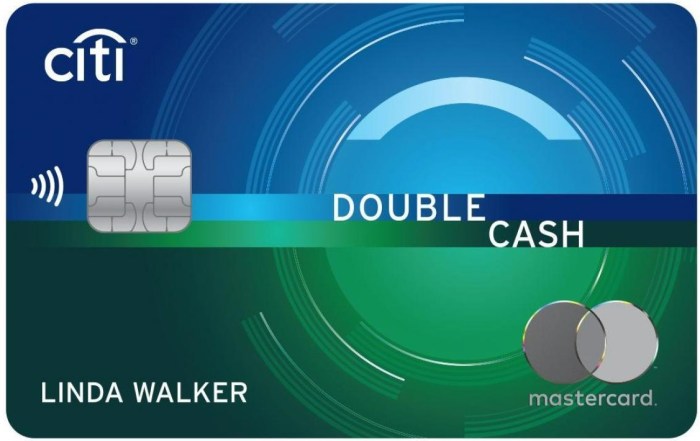
Balance transfers can have mixed effects on credit scores. On the positive side, consolidating debt can reduce overall credit utilization, which may improve scores. However, opening new credit accounts can initially lower scores due to hard inquiries.It’s important to manage multiple credit accounts wisely to avoid potential pitfalls that could negatively impact credit ratings. Keeping older accounts open can help maintain credit history length, which is beneficial for overall scores.
Alternatives to Balance Transfer Credit Cards
There are other debt relief options available, each with its pros and cons compared to balance transfer credit cards. Here’s a comparison of alternatives:
- Personal Loans: These can provide fixed interest rates and predictable monthly payments but may require higher credit scores.
- Debt Consolidation Loans: These loans combine multiple debts into one but often come with higher interest rates than balance transfer cards.
- Credit Counseling: Professional guidance can provide tailored debt management plans, but may not eliminate interest as effectively as balance transfers.
The following table summarizes key features and interest rates of these alternatives for easy reference:
| Option | Average Interest Rate | Loan Term | Monthly Payment Flexibility |
|---|---|---|---|
| Personal Loans | 10%-36% | 2-5 years | Less flexible |
| Debt Consolidation Loans | 6%-20% | 3-7 years | Moderately flexible |
| Credit Counseling | N/A | Varies | Highly flexible |
Conclusion: Top Balance Transfer Credit Cards (0% APR Offers)
In conclusion, utilizing Top Balance Transfer Credit Cards (0% APR Offers) can be a savvy financial move for those burdened by debt. By taking the time to compare different offers, understanding eligibility requirements, and implementing effective payment strategies, you can maximize your savings and work towards a debt-free future. Remember, while these cards can offer significant advantages, it’s essential to remain cautious and informed to avoid any potential pitfalls.