How to Improve Your Credit Score Fast (US Guide) sets the stage for mastering the essential strategies to elevate your credit standing in no time. Understanding your credit score is crucial not just for obtaining loans but for making informed financial decisions that can significantly impact your future. With the right knowledge and actionable steps, you can take charge of your credit health, debunk common myths, and implement quick fixes to boost your score.
This guide dives into the intricate world of credit scores, covering everything from the influences that shape your score to the critical role of credit utilization and payment history. Whether you’re starting from scratch or looking to recover from past mistakes, we offer a comprehensive roadmap to achieving and maintaining a robust credit profile.
Understanding Credit Scores
Credit scores are essential elements in the financial landscape, influencing lending decisions and insurance rates. A credit score ranges from 300 to 850, with higher scores indicating better creditworthiness. Various factors affect these scores, including payment history, credit utilization, length of credit history, types of credit in use, and recent credit inquiries.
Factors Influencing Credit Scores
Several key components contribute to the calculation of a credit score:
- Payment History (35%): Timely payments on loans and credit cards significantly boost scores.
- Credit Utilization (30%): This ratio compares current credit card balances to total available credit.
- Length of Credit History (15%): A longer credit history can positively impact scores.
- Types of Credit (10%): A mix of installment loans and revolving credit can enhance scores.
- New Credit (10%): Frequent applications for new credit can negatively affect scores.
Credit Score Ranges and Their Implications
Credit scores are categorized into ranges that determine borrowing terms:
- 300 – 579: Poor credit; may face difficulties in obtaining loans.
- 580 – 669: Fair credit; options are available, but rates may be higher.
- 670 – 739: Good credit; most lenders view this positively.
- 740 – 799: Very good credit; potential for lower interest rates.
- 800 – 850: Excellent credit; offers the best terms and rates.
The Importance of Credit Scores in Financial Decisions
Credit scores play a crucial role in various financial decisions, including loan approvals, interest rates, and even employment opportunities. A higher score can lead to better financial products and lower costs.
In today’s digital landscape, protecting your data is paramount. Discover the top choices for securing your business with our guide on the Best Cybersecurity Software for Companies. This resource evaluates various software to ensure your company remains resilient against cyber threats.
Common Misconceptions about Credit Scores
Understanding the truth about credit scores helps individuals manage their finances better and dispels common myths that could hinder financial progress.
Debunking Myths Surrounding Credit Scores
There are several prevalent misconceptions regarding credit scores:
- Myth 1: Checking your own credit score hurts your score.
This is false; checking your own score is considered a soft inquiry and does not affect it.
Choosing the right tools is essential for streamlining your operations, which is where the Best Inventory Management Software (2026 Guide) comes into play. This guide evaluates various software options to help businesses optimize their stock management and improve efficiency.
- Myth 2: Closing old accounts improves your score.
In reality, this can decrease your score by reducing your credit history length.
- Myth 3: Your score only matters when applying for loans.
In fact, it can impact insurance premiums and rental applications as well.
The Impact of Credit Inquiries on Credit Scores
Credit inquiries can be categorized into two types: hard inquiries and soft inquiries. Hard inquiries, usually made when applying for a loan, can lower your credit score slightly. However, their impact diminishes over time, typically lessening after a year.
The Truth About Maintaining a High Credit Score
Consistently managing credit responsibly is key to maintaining a high score. This includes making on-time payments, keeping credit utilization low, and managing different types of credit wisely.
Quick Ways to Improve Your Credit Score
Improving your credit score quickly involves actionable steps that can yield rapid results.
Actionable Steps to Increase Credit Scores Rapidly
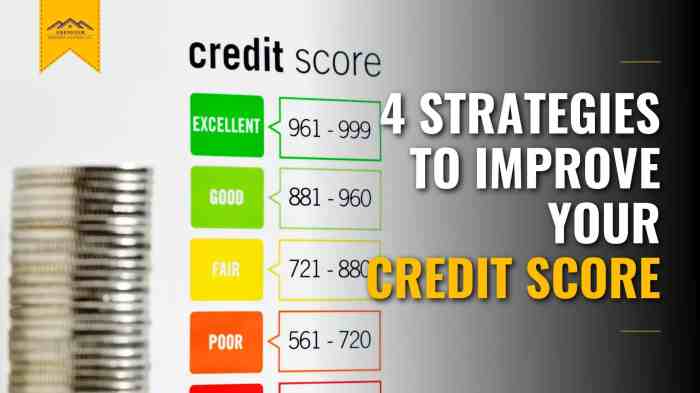
To see a boost in your credit score, consider the following strategies:
- Reduce credit card balances to lower your credit utilization ratio.
- Ensure all bills are paid on time to maintain a positive payment history.
- Request higher credit limits from creditors without increasing spending.
- Pay off debt collections to improve your overall credit profile.
- Dispute any inaccuracies found in your credit report.
Checking Credit Reports for Errors
Regularly checking your credit report for errors is essential. Request a free report from each of the three major credit bureaus annually. If errors are found, dispute them immediately. Following up diligently can lead to corrections that will positively impact your score.
The Benefits of Paying Down Credit Card Balances, How to Improve Your Credit Score Fast (US Guide)
Reducing credit card debt not only lowers credit utilization but also demonstrates responsible credit management to lenders. Aim to maintain balances below 30% of your total credit limit for optimal scoring.
Credit Utilization Ratio
Credit utilization is a critical metric in determining your credit score and reflects how much of your available credit you are using.
Significance of Credit Utilization in Credit Scoring
A lower credit utilization ratio indicates to lenders that you are not overly reliant on credit, which can enhance your creditworthiness. Credit experts recommend keeping utilization below 30% for a healthy score.
Strategies to Lower Credit Utilization Effectively
To effectively manage and lower your credit utilization:
- Pay off existing balances in full each month.
- Ask for credit limit increases from your credit card issuers.
- Spread purchases across multiple cards instead of maxing out one.
Ideal Ratios for Maintaining a Healthy Credit Score
Maintaining a credit utilization ratio of under 30% is considered ideal. However, keeping it below 10% can significantly enhance your score.
Establishing a Positive Credit History
Building and maintaining a positive credit history is crucial for achieving a robust credit score.
The Importance of Timely Payments on Credit Accounts
Consistently making on-time payments is the most significant factor affecting credit scores. Even one late payment can have lasting repercussions on your credit history.
Methods for Building Credit from Scratch
For those without a credit history, here are effective ways to start building credit:
- Secured credit cards require a cash deposit as collateral, allowing you to build credit while minimizing risk for lenders.
- Become an authorized user on a family member’s credit card.
- Consider credit-builder loans offered by many banks and credit unions.
The Role of Secured Credit Cards in Improving Credit Scores
Secured credit cards are an excellent option for individuals looking to establish or rebuild their credit. By using one responsibly—making timely payments and keeping balances low—you can quickly demonstrate creditworthiness.
The Role of Credit Mix
Having a diverse mix of credit accounts can positively impact your credit score.
Different Types of Credit Accounts and Their Impact on Scores
Credit accounts can be divided into two main categories: installment loans (like mortgages or auto loans) and revolving credit (credit cards). A healthy mix of both can enhance your credit profile.
Tips for Diversifying Credit Portfolios Responsibly
To diversify your credit responsibly:
- Consider adding an installment loan if you primarily have revolving credit.
- Ensure any additional credit accounts are managed within your budget to avoid overextension.
How Installment Loans Can Benefit Credit Scores
Installment loans contribute positively to your credit mix and can improve your score if managed well. They provide a structured repayment plan, demonstrating your ability to handle different types of credit effectively.
Monitoring Your Credit Score
Regularly monitoring your credit score is essential to understanding and managing your financial health.
Tools and Services for Tracking Credit Scores
A variety of tools and services are available to help you track your credit score:
- Credit monitoring services provide regular updates on your score and alerts for any changes.
- Many credit card companies offer free access to your credit score as a part of their service.
Frequency of Checking Credit Reports for Accuracy
It is recommended to check your credit report at least once a year. This frequency helps ensure accuracy and allows you to spot any discrepancies that could affect your score.
Methods for Setting Reminders for Payment Dates
To avoid missed payments:
- Set up automatic payments for recurring bills.
- Utilize calendar reminders on your phone or computer.
Seeking Professional Help
At times, consulting a professional can be beneficial for managing your credit situation.
When evaluating CRM solutions, it’s vital to understand the strengths of each platform. Our latest analysis, Compare CRM Tools: HubSpot vs Salesforce (2026) , dives deep into the features and pricing to help you decide which will best serve your organization’s needs.
When to Consider Consulting a Credit Counselor
Consider seeking a credit counselor if you are struggling to manage debt or if you feel overwhelmed by your financial situation. A counselor can provide guidance and resources tailored to your needs.
Services Offered by Credit Repair Companies
Credit repair companies can assist with disputing inaccuracies and improving your credit score. However, it’s crucial to choose reputable firms, as some may engage in questionable practices.
The Potential Risks of Seeking Professional Credit Assistance
Engaging with credit repair services carries risks, such as potential scams or the possibility of incurring additional debt. It’s essential to conduct thorough research before selecting a service provider.
Long-term Credit Score Maintenance
Sustaining a good credit score requires ongoing effort and attention to financial habits.
Strategies for Sustaining a Good Credit Score Over Time
To maintain your credit score in the long run, implement these strategies:
- Continue making on-time payments consistently.
- Monitor your credit utilization regularly.
- Maintain a mix of credit accounts.
Timeline for Regular Credit Report Reviews
Establish a timeline for reviewing your credit report, ideally every four months. This practice allows you to keep an eye on your credit status and address any issues promptly.
The Importance of Financial Literacy and Ongoing Education
Investing time in financial education is vital for making informed decisions. Understanding credit management, interest rates, and financial products empowers individuals to make better financial choices.
Final Thoughts: How To Improve Your Credit Score Fast (US Guide)
In conclusion, improving your credit score is not just about immediate fixes but requires a commitment to understanding and managing your financial behaviors over the long haul. By applying the strategies Artikeld in this guide and staying informed about your credit status, you can pave the way toward a healthier financial future. Remember, a good credit score opens doors to better interest rates, loan approvals, and financial opportunities that can enhance your quality of life.